Netflix's F1 Documentary Production Company Earns Over £70 Million Annually
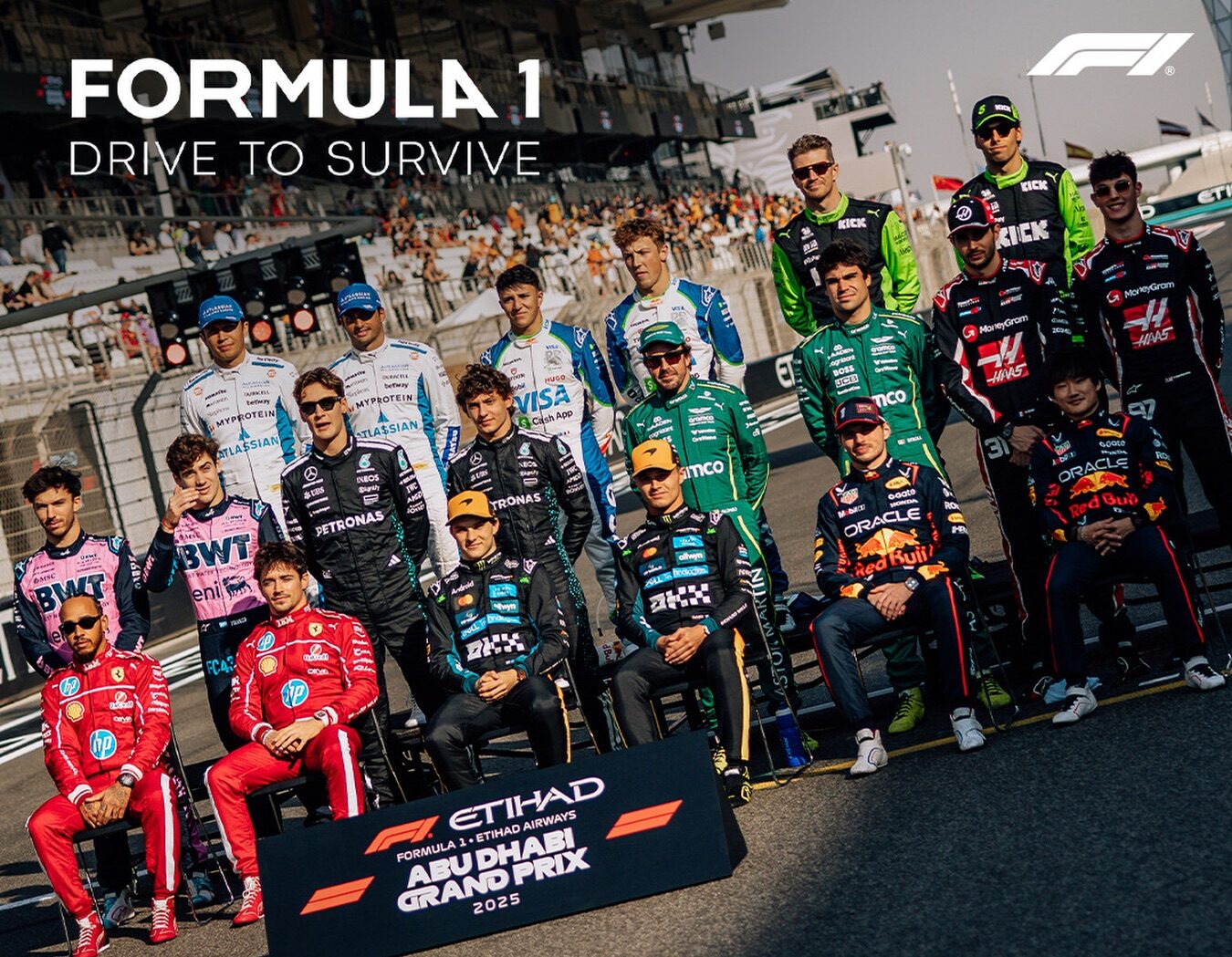
In the past decade, F1 has gradually entered the public eye, with fans becoming younger and female viewers accounting for 40%. A key contributor is the documentary series Drive to Survive, which premiered on Netflix in March 2019, with its eighth season released this February. Each season consists of 8 or 10 episodes, telling the stories of the previous year's F1 on and off the track in an accessible and entertaining way.
Although many drivers and team executives have expressed dissatisfaction with the documentary's "over-entertainment" or "taken out of context" approach, Drive to Survive has significantly boosted F1's mainstream appeal: since its debut in 2019, it has garnered over 700 million views, consistently ranks as the top sports content on Netflix, generated over $290 million in global streaming revenue, and won two Sports Emmy Awards. Joseph Kosinski, director of the film 'F1', admitted that 'Drive to Survive' inspired him to make an F1 movie.
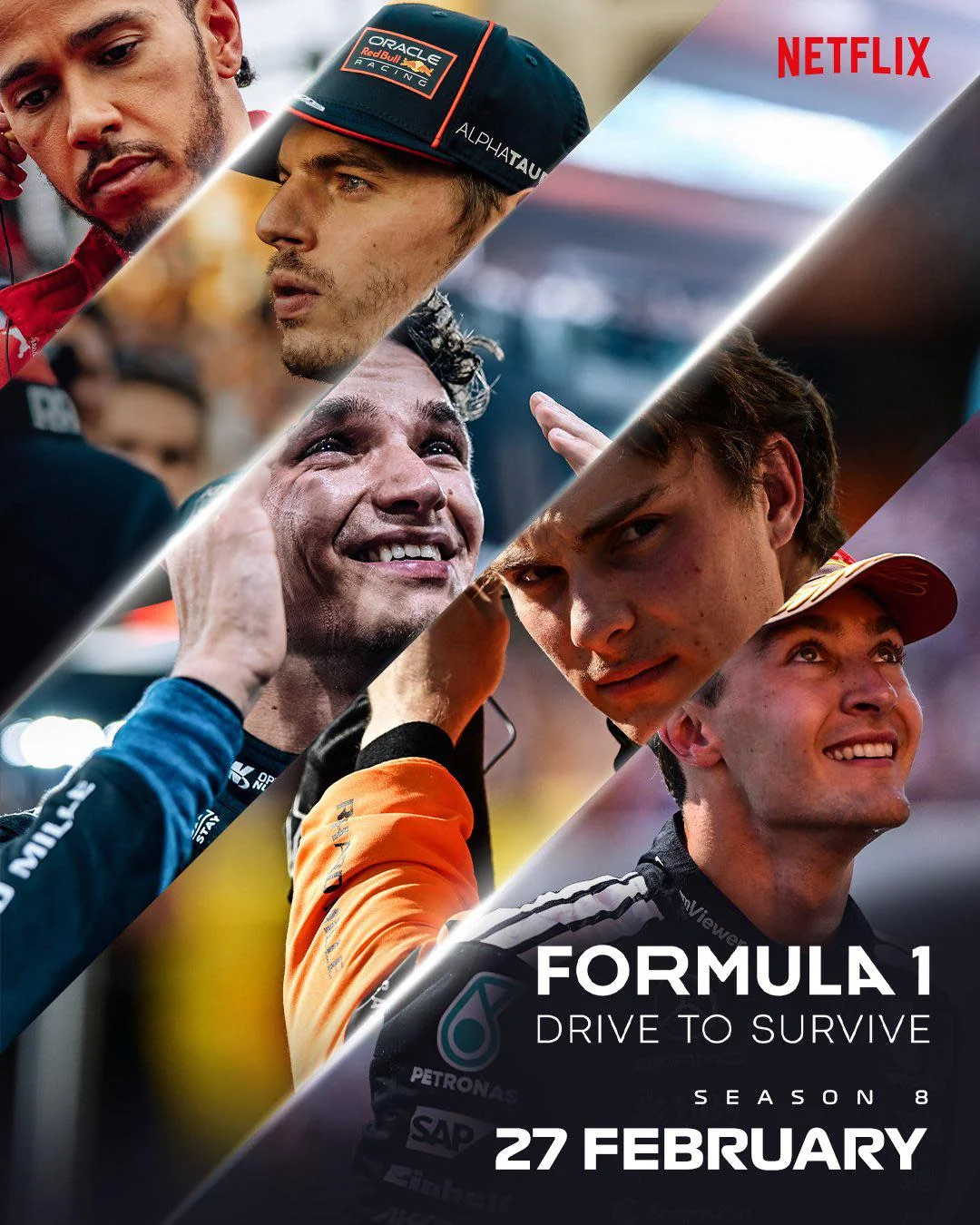
The independent production company behind Drive to Survive—Box to Box Films, which specializes in high-quality sports documentary content—has also reaped both fame and fortune. In the fiscal year ending March 2025, the company reported revenue of £73.1 million, up 67% year-on-year, with losses narrowing from £4.7 million to £0.97 million.
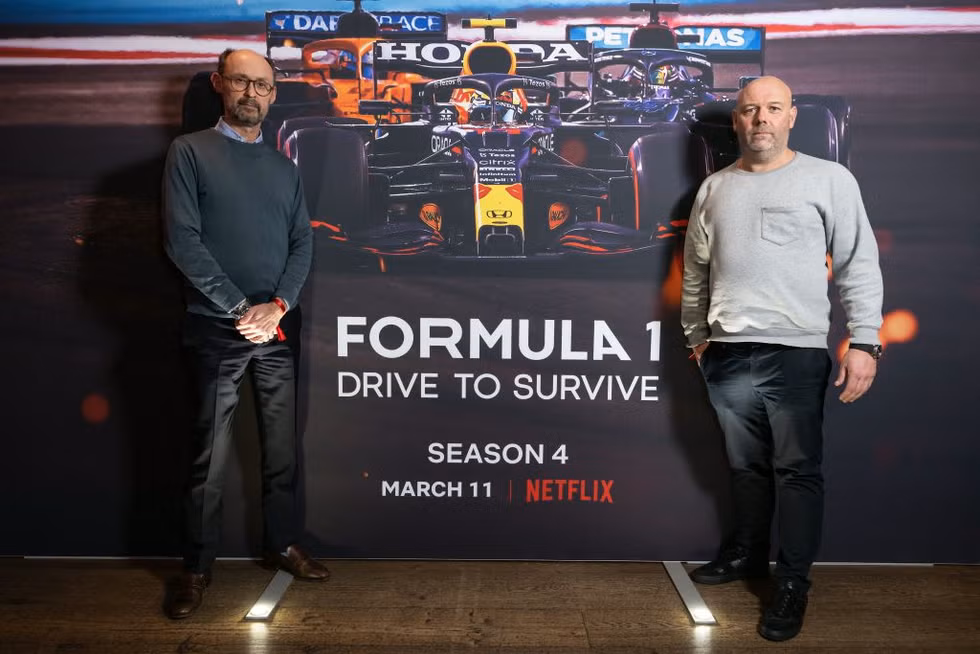
Box to Box Films was founded in 2016 by two veteran producers:
- James Gay-Rees (left in the image below) is based in London. He graduated from the University of Southampton with a degree in Economics and Accounting, previously worked at Miramax, and began producing documentaries around 2010. His notable works include 'Senna', a documentary about F1 legend Ayrton Senna, and 'Amy', which won the 2016 Oscar for Best Documentary Feature.
- Paul Martin (right in the image below) is based in Los Angeles. He holds a BA in History from Kingston University and an MA in Journalism from the University of Westminster. He started his career in sports journalism before transitioning to film and television production. At Box to Box Films, he served as a producer on 'Maradona'.
Speaking about the origin of Drive to Survive, James Gay-Rees said that then-F1 executive Sean Bratches commissioned him to produce a documentary. He recalled: "At the time, someone described F1 as a bit male, pale, and stale. It used to be cool, but to use an inappropriate term, it wasn't in its 'sexiest' period."
In Drive to Survive, F1 serves as the backdrop, while the gripping dramatic conflicts are what truly captivate—the 10 teams and 20 drivers, though ostensibly on the same side, are constantly at odds.
He added: "The core of an F1 race involves issues like tire degradation. Once you dig deeper, you find the strategy around tires is fascinating, but if you turn on the TV and everyone's just talking about tires, you switch off immediately. F1 has heroes and villains. Everyone does whatever it takes to win."
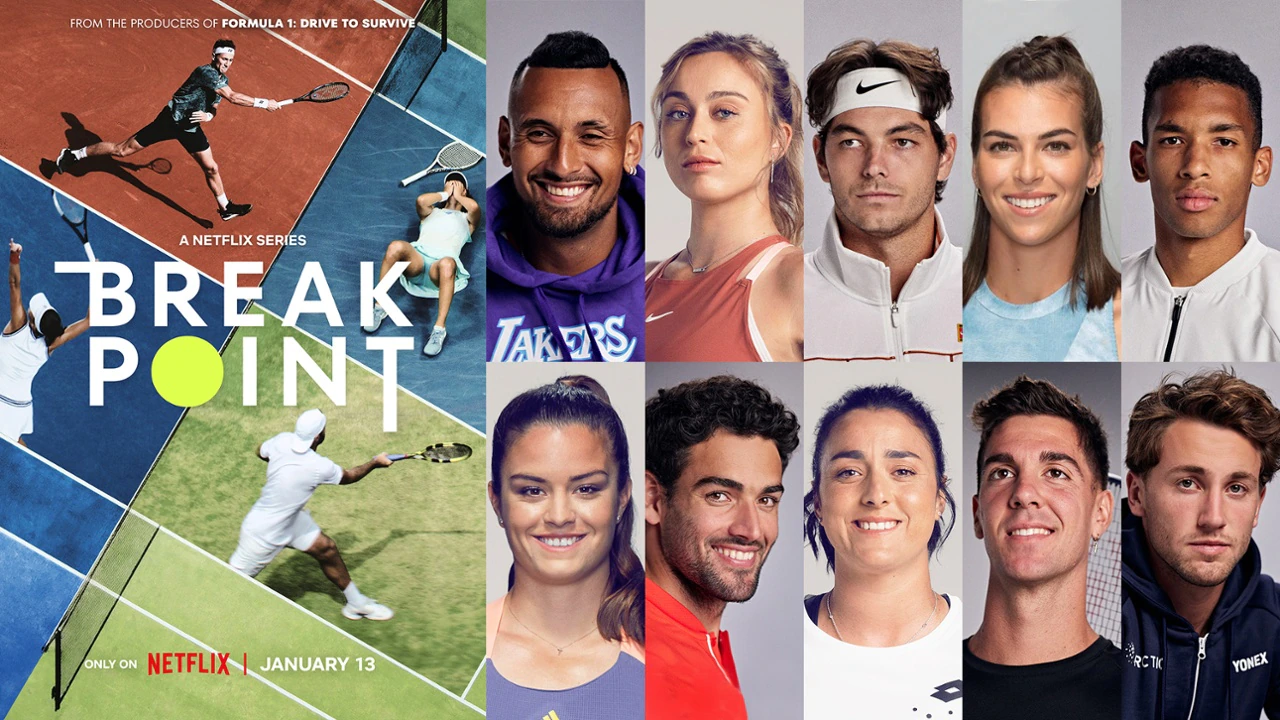
After the success of Drive to Survive, many sports events approached Box to Box Films hoping to replicate that success. In recent years, Box to Box Films has produced Full Swing for the PGA Tour, Break Point for tennis, Onside for Major League Soccer, FACEOFF: Inside the NHL for ice hockey, Unchained for the Tour de France, and Matchroom: The Greatest Showmen for boxing.
But none have reached the heights of Drive to Survive. James Gay-Rees particularly regrets the tennis documentary 'Break Point': "I thought that show was really good, but it didn't resonate with audiences like 'Drive to Survive' did. That's okay; you can't hit a home run every time."
Paul Martin said that making a great sports documentary requires three key elements: a good story, compelling characters that transcend the sport, and some luck. He pointed out that if you only focus on wins and losses, you're just editing highlight reels. So, you need to create characters that resonate with audiences and have stories that go beyond the sport itself.
He believes that "the idea that young people don't have the attention span to watch sports is a fallacy." All sports have their own issues; some events stagnate by clinging to old models while audiences and markets have changed—F1 suffered from this for a long time, but its partnership with Netflix and Box to Box Films completely transformed that.
The only disclosed external funding for Box to Box Films comes from Bruin Capital. On January 16, 2024, Bruin Capital announced a minority equity investment of approximately $38 million (equivalent to £30 million). George Pyne, founder of Bruin Capital, said: "As world-class storytellers, the team's ability to turn insider information into tangible business growth and value creation is why the entire industry wants to work with them."
| Sources: Box to Box Films official website; The National (UAE); Boardroom
| Image credits: F1 official social media accounts