On November 20, Forbes released the '2025 Most Valuable F1 Team Rankings.' Despite recent rumors that Mercedes team principal Toto Wolff is selling a minority stake, valuing the team at $6 billion, in Forbes' latest ranking, the top spot is still held by Ferrari, with a valuation of $6.5 billion.
According to data from analytics company Blinkfire, Ferrari's social media engagement is 31% higher than any other F1 team, and the media value generated for sponsors is 44% higher than all other teams combined.
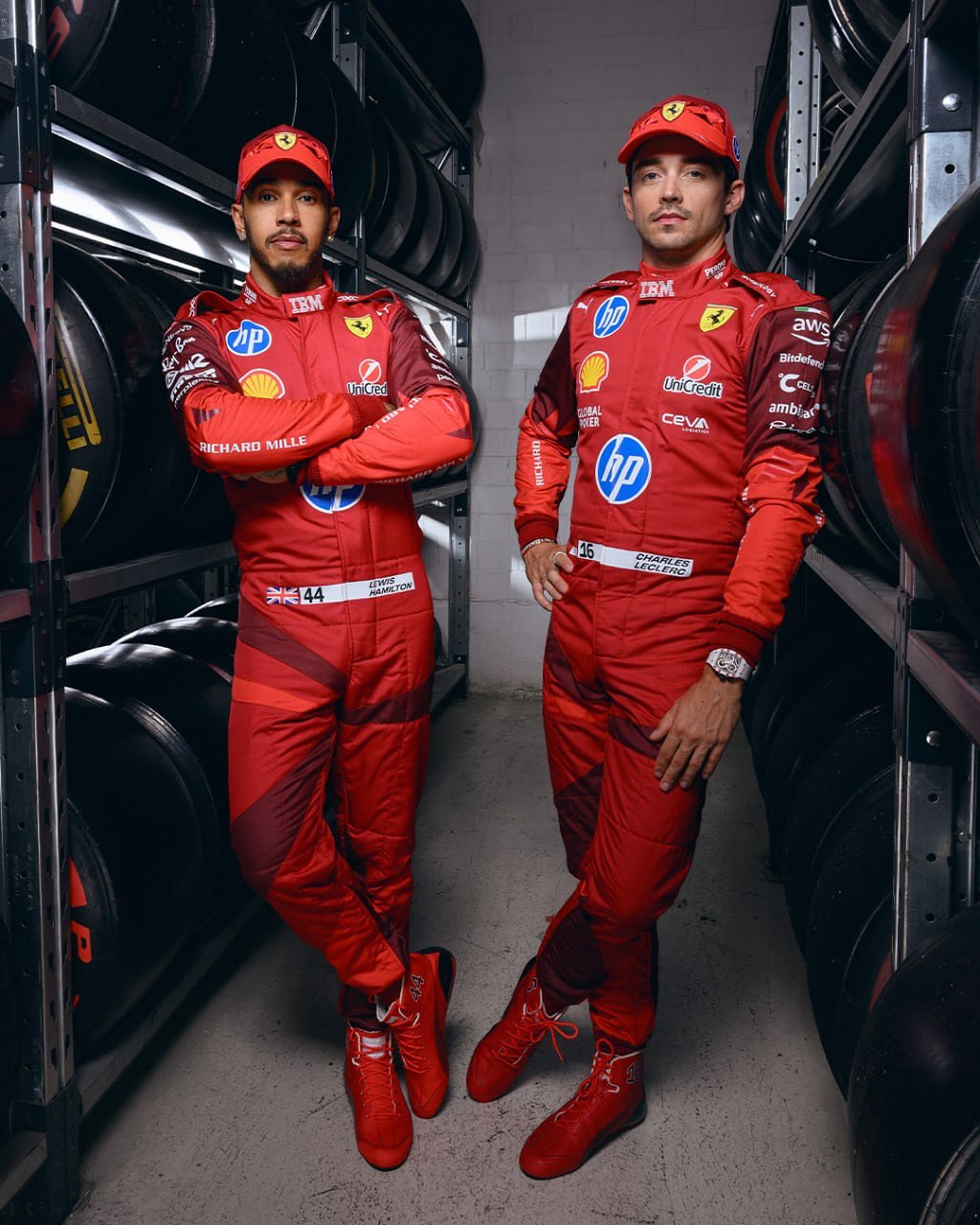
Above: F1 Ferrari drivers Hamilton and Leclerc
Detailed rankings are as follows:
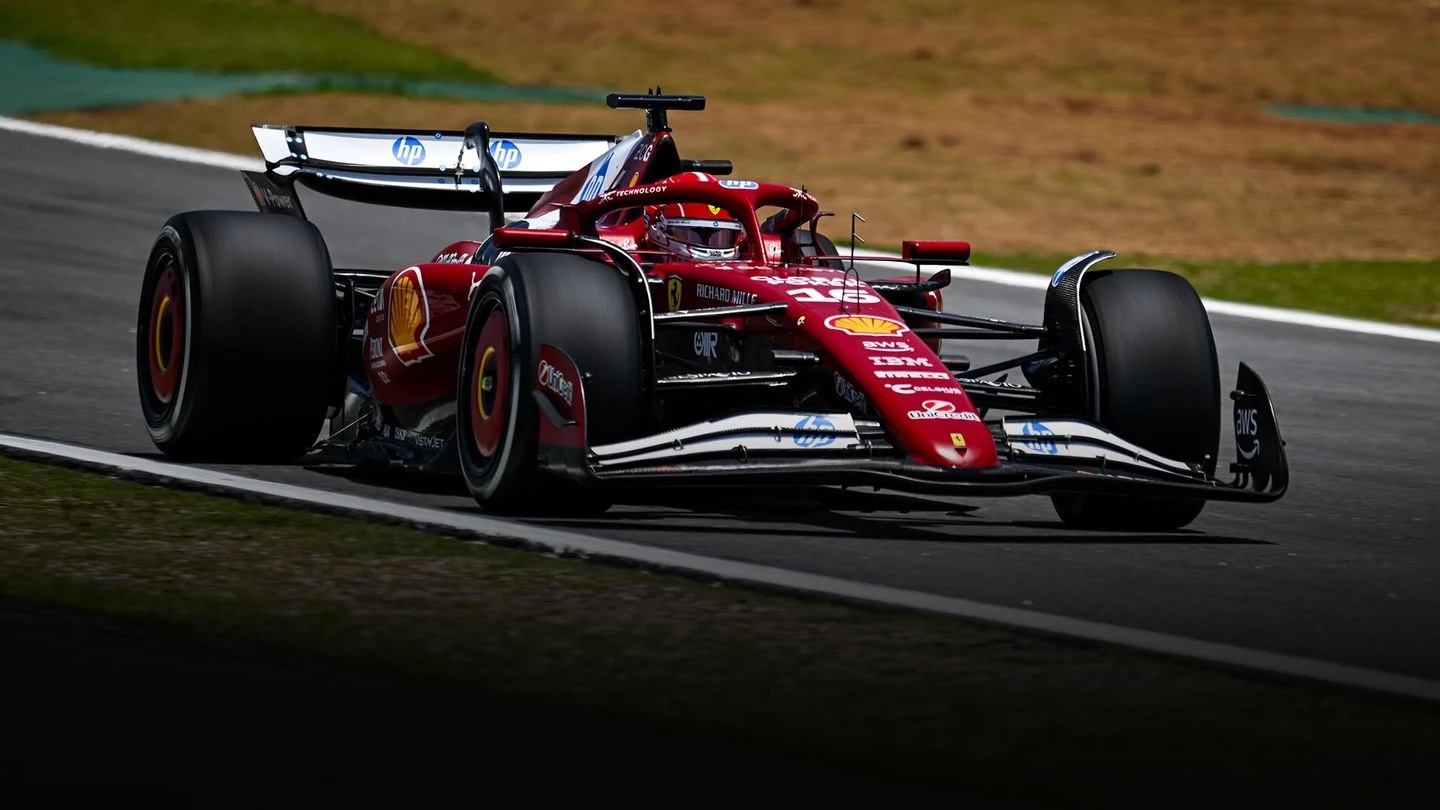
No.1 Ferrari, valued at $6.5 billion
Revenue: $670 million | Operating profit: $80 million | Team principal: Frédéric Vasseur
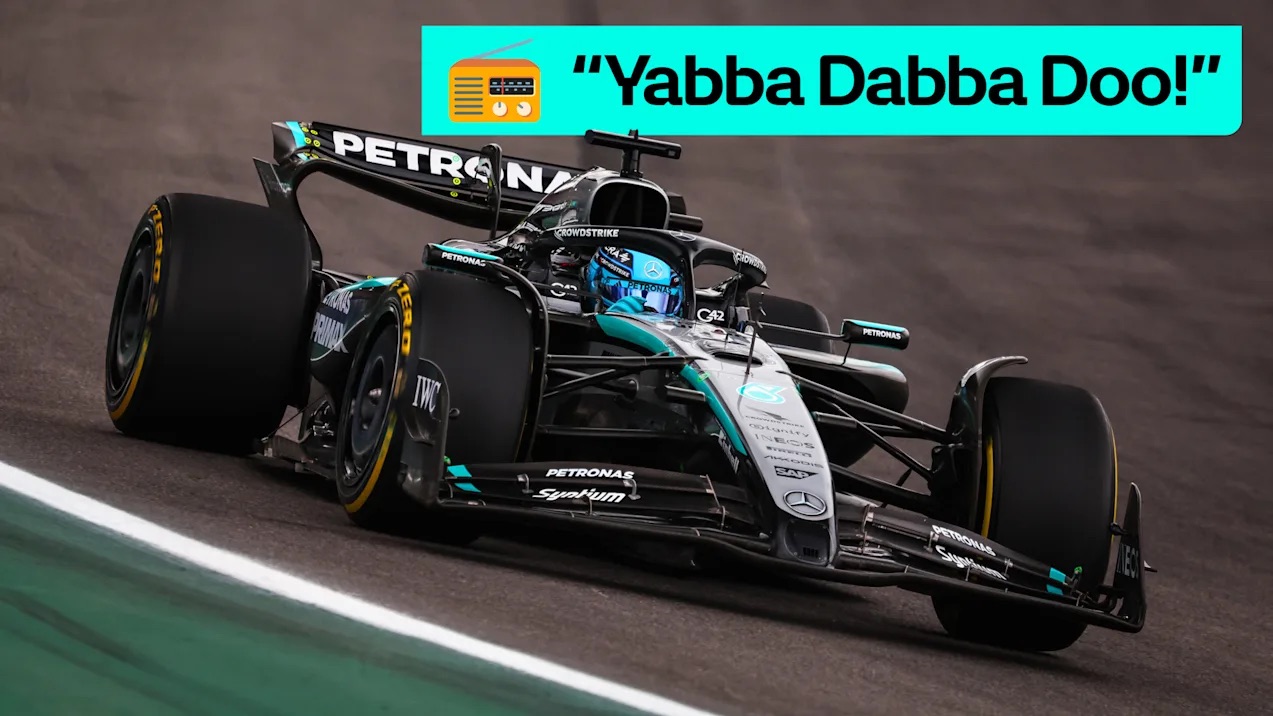
No.2 Mercedes, valued at $6 billion
Revenue: $799 million | Operating profit: $202 million | Team principal: Toto Wolff
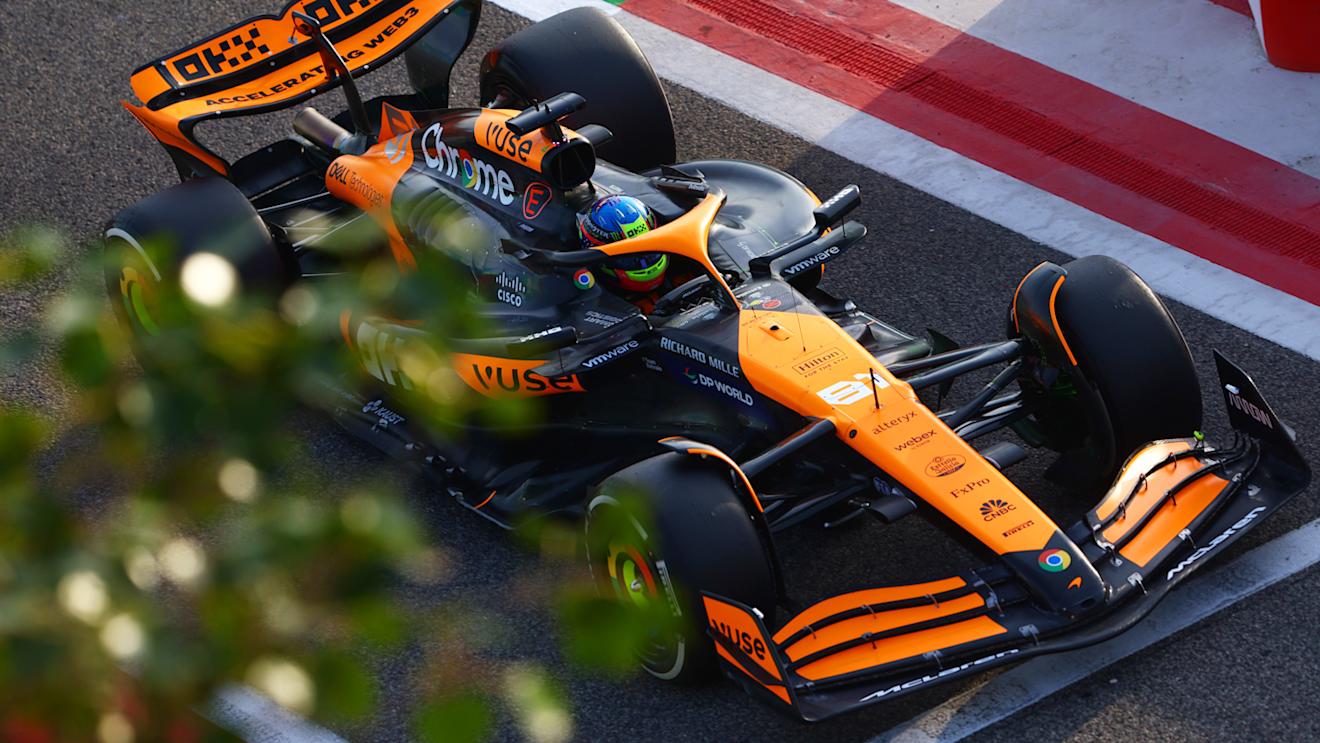
No.3 McLaren, valued at $4.4 billion
Revenue: $614 million | Operating profit: $61 million | Team principal: Andrea Stella
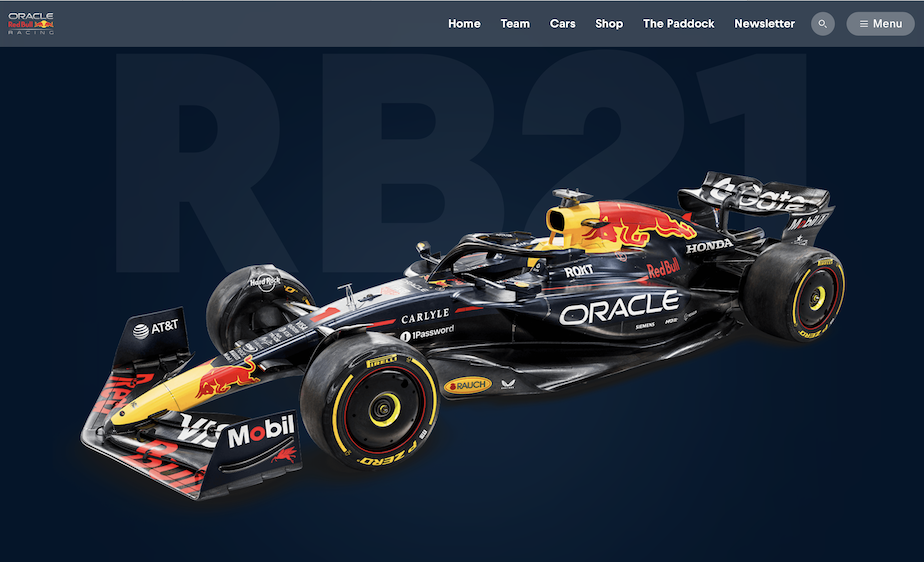
No.4 Red Bull Racing, valued at $4.35 billion
Revenue: $618 million | Operating profit: $26 million | Team principal: Laurent Mekies
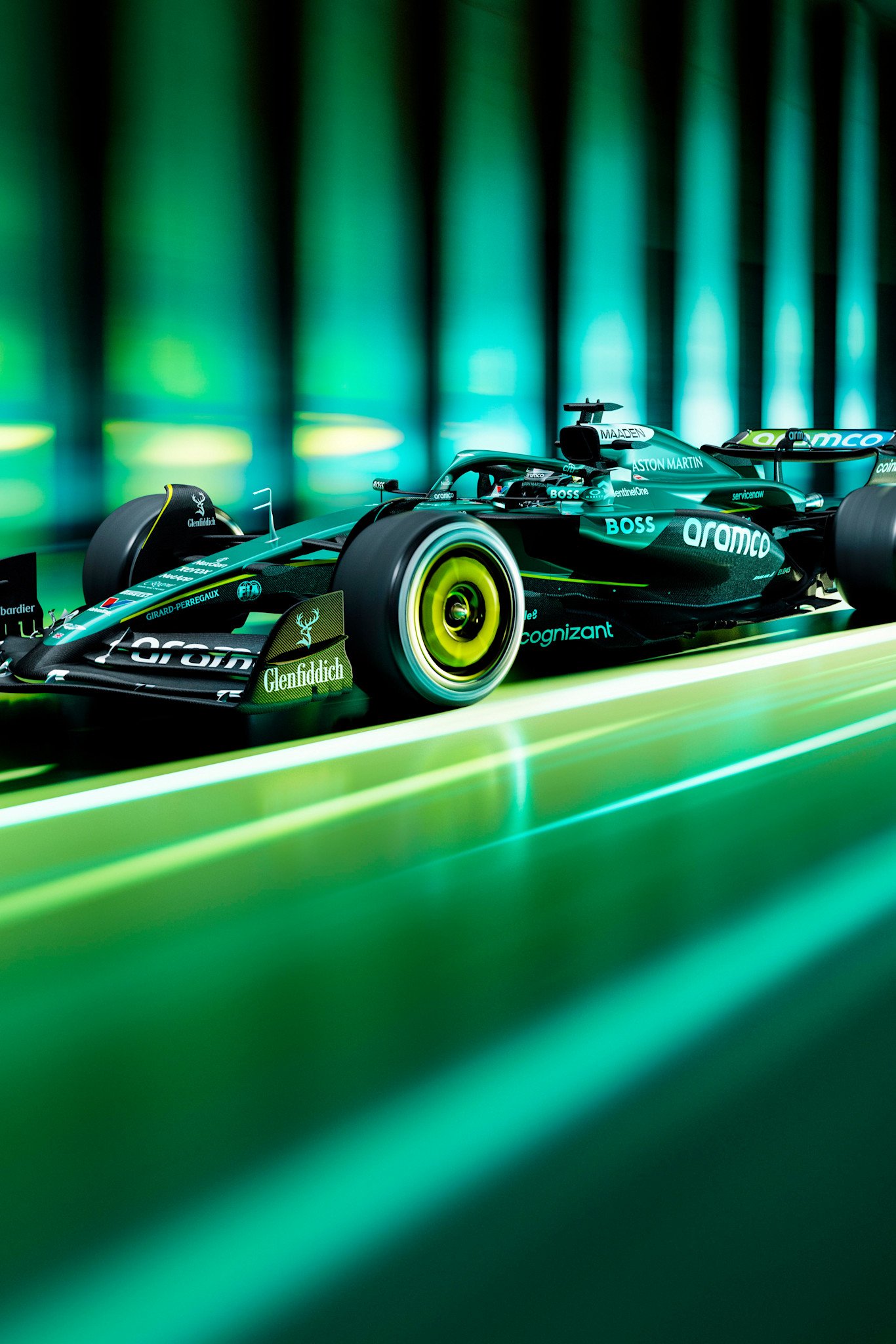
No.5 Aston Martin, valued at $3.2 billion
Revenue: $353 million | Operating profit: -$18 million | Team principal: Andy Cowell
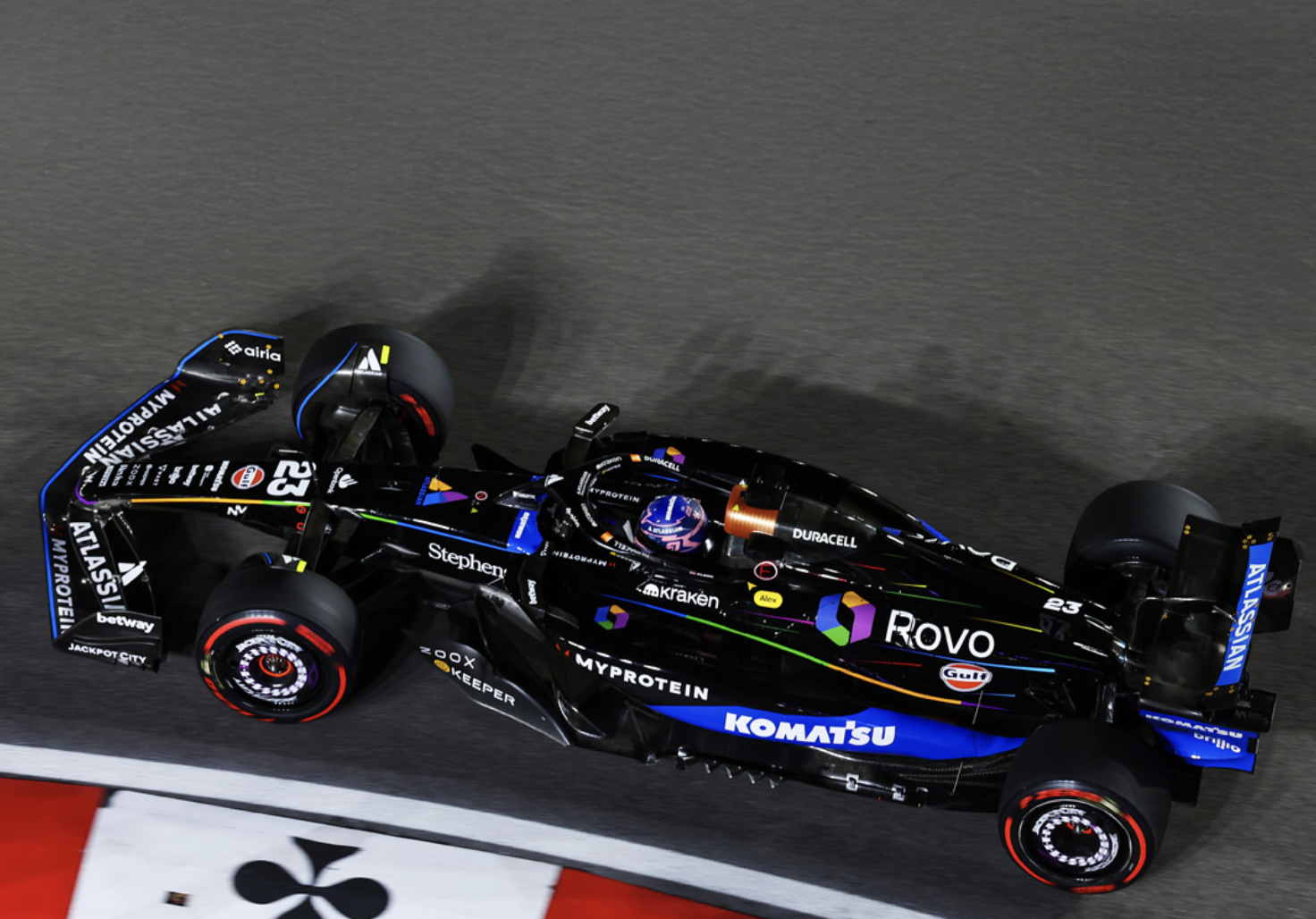
No.6 Williams, valued at $2.5 billion
Revenue: $245 million | Operating profit: -$36 million | Team principal: James Vowles
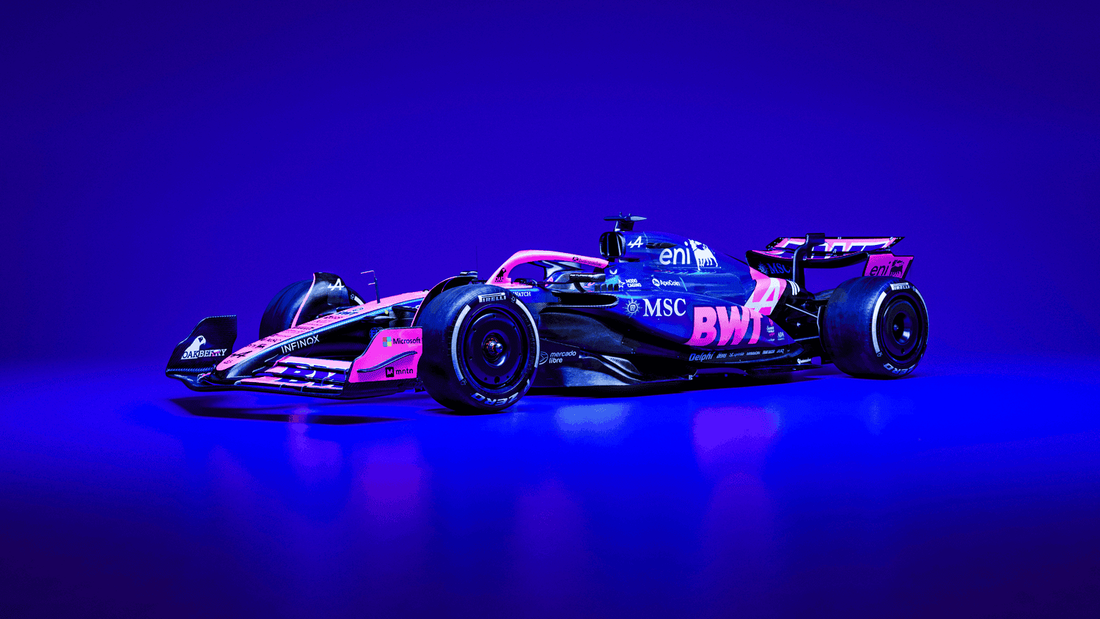
No.7 Alpine, valued at $2.45 billion
Revenue: $300 million | Operating profit: -$13 million | Team principal: Flavio Briatore
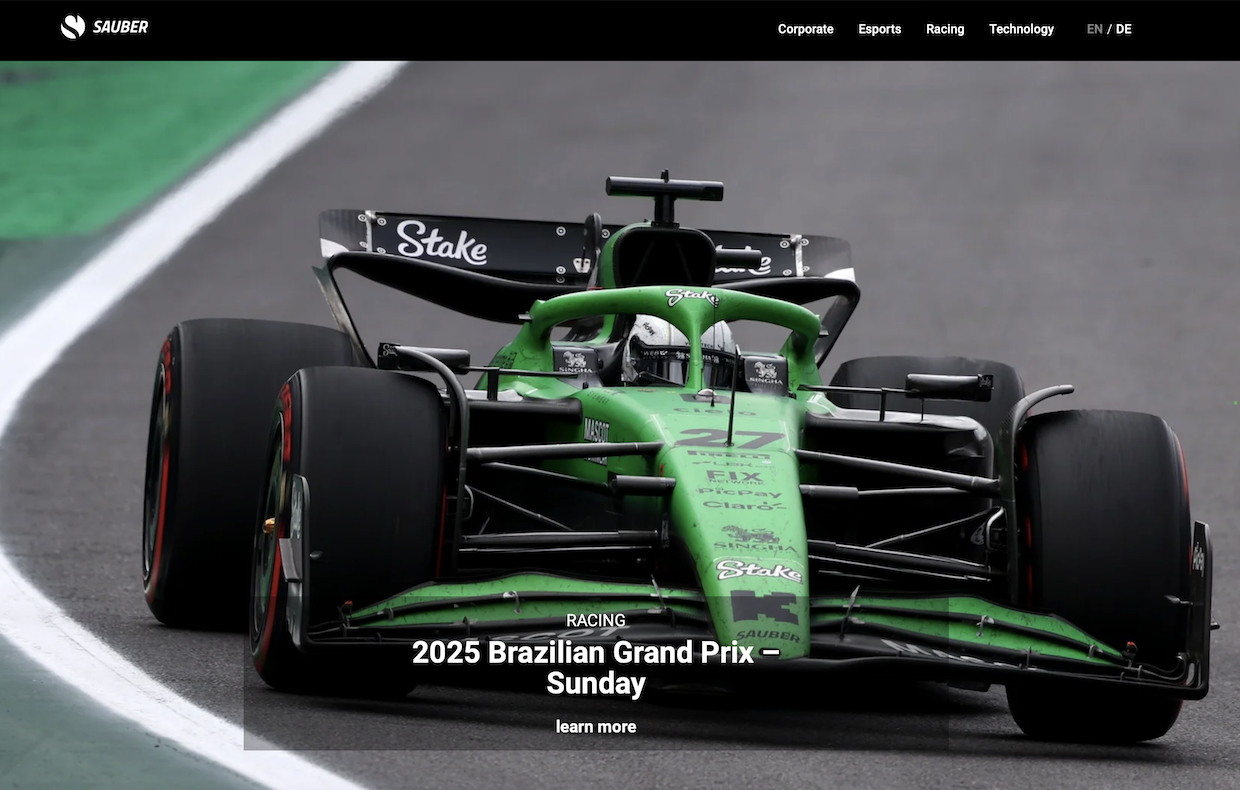
No.8 Sauber, valued at $2.4 billion
Revenue: $240 million | Operating profit: -$25 million | Team principal: Jonathan Wheatley
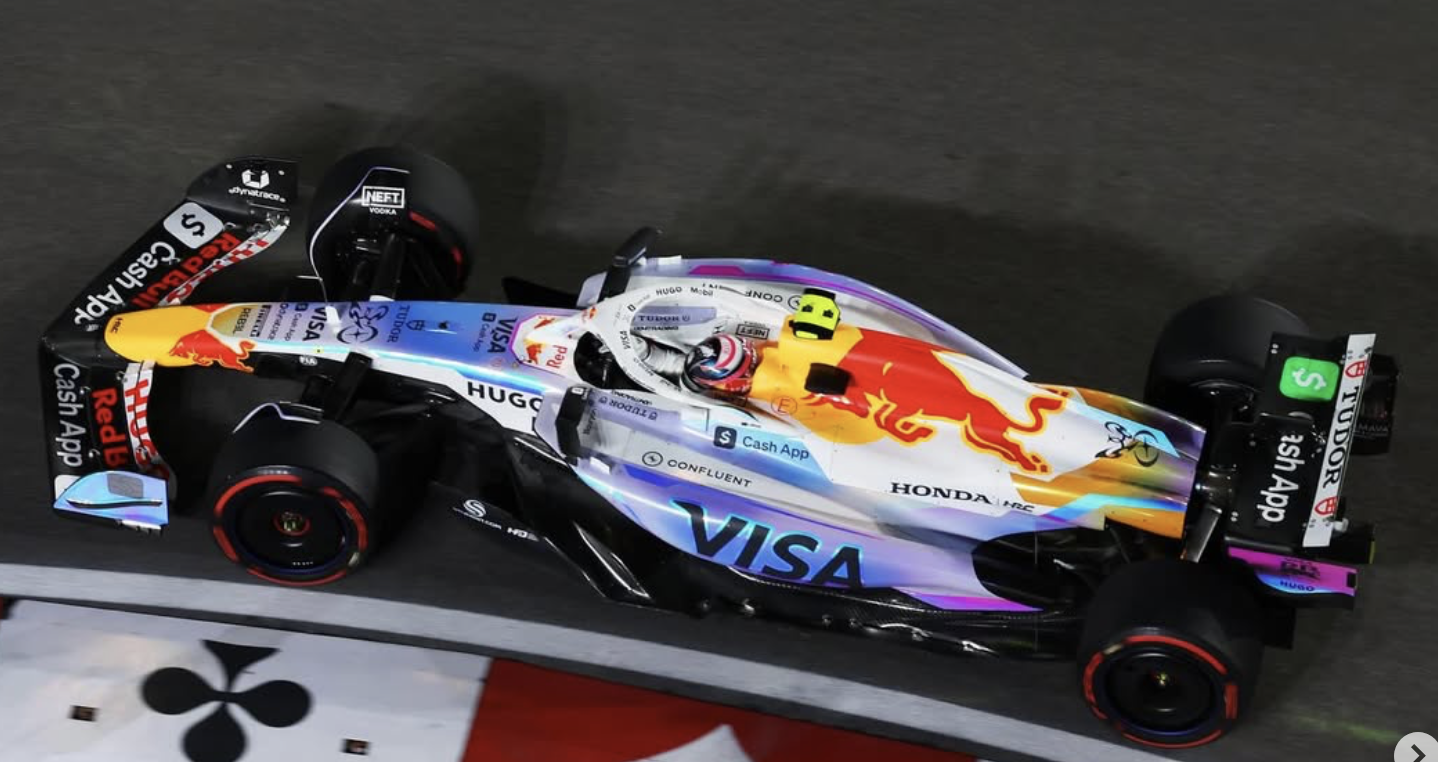
No.9 Racing Bulls, valued at $2.3 billion
Revenue: $318 million | Operating profit: $5 million | Team principal: Alan Permane
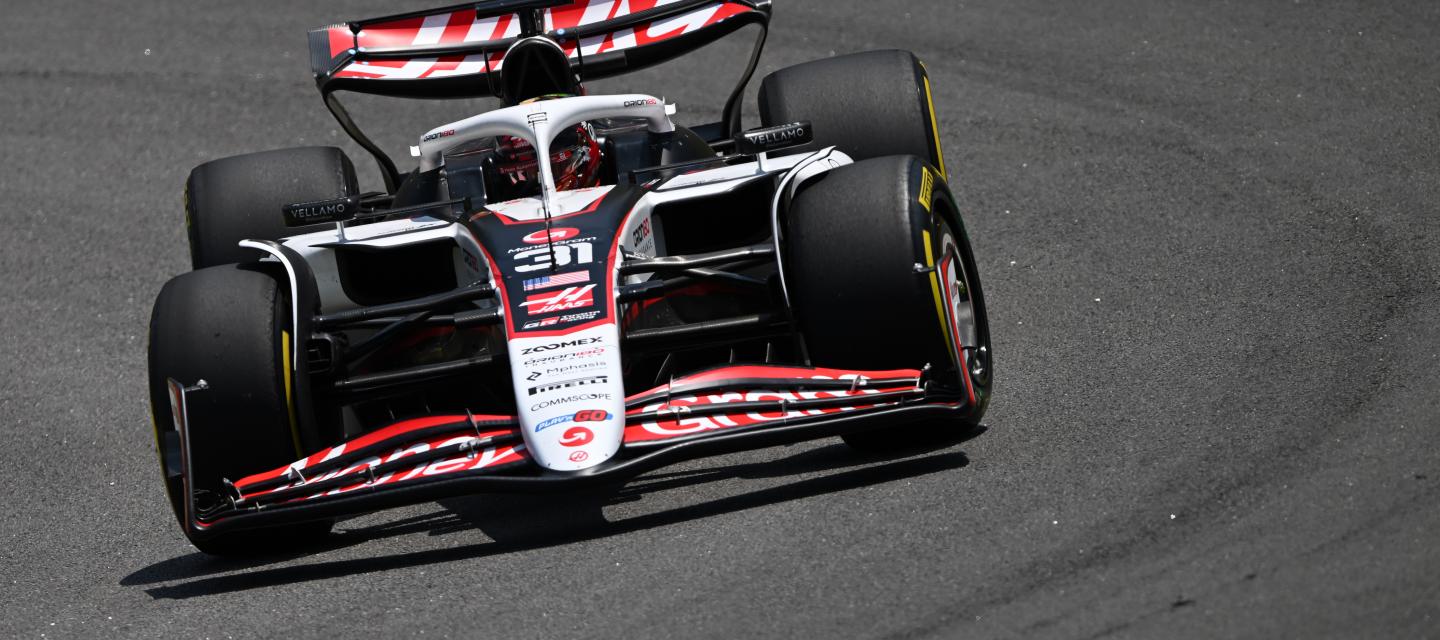
No.10 Haas, valued at $1.5 billion
Revenue: $150 million | Operating profit: $9 million | Team principal: Ayao Komatsu
Why Have F1 Team Valuations Surged in Two Years?
Across the paddock, all 10 F1 teams are valued at no less than $1.5 billion, with the average valuation soaring to $3.6 billion, an 89% increase from 2023. Just two years ago, only four teams reached the $1.5 billion threshold.
This growth reflects the pace of F1's commercial development: the average revenue of the 10 teams last year is estimated at $430 million, with sustained double-digit compound annual growth rates for years. Mercedes led with $799 million in revenue in 2024, ranking tenth globally among sports teams for the same period.
But the acceleration in valuations is more closely tied to the shift in profitability following the introduction of the 'budget cap' in 2021. The rule limits team spending in many areas related to car design and manufacturing to approximately $170 million this season. This aimed to end the 'arms race' that saw top teams' annual budgets exceed $400 million, creating a more level playing field.
An F1 insider said that by curbing the overspending impulses of wealthy teams, Forbes estimates that six teams turned a profit last year, while those still in the red 'just need one or two or three more sponsors—they're not far from profitability.' McLaren, which lost $137 million in 2018, achieved an operating profit of $61 million in 2024; Mercedes posted an operating profit of $202 million, making it one of the most profitable sports teams globally.
As a result, investors are flocking to a sport whose financial solvency was uncertain just five years ago. Energy drink giant Red Bull, which controls both Red Bull Racing and Racing Bulls F1 teams, is said to have received and rejected a takeover offer for its junior team worth $2.3 billion.
Meanwhile, Mercedes' impending equity sale is valued at approximately 7.1 times the previous season's revenue, with three other recent F1-related transactions also commanding similarly high valuation multiples:
- In September, McLaren Racing's owners bought out minority shareholders at a valuation of around $4.5 billion, or 6.4 times the division's 2024 revenue. Forbes estimates that the McLaren F1 team alone accounts for $4.4 billion of that valuation.
- Prior to that, Aston Martin completed two deals: last year, it sold a minority stake at an enterprise value of about $2.3 billion, or 7.4 times the previous season's revenue; in July, it reached a deal reportedly worth $3.2 billion, a multiple of 8.6 times the previous season's revenue. In comparison, another minority stake sale in Aston Martin in 2023 was valued at around $1.2 billion, or 5.3 times the previous season's revenue.
- In 2023, a minority stake in Alpine was sold for about $900 million, a valuation multiple of just 2.8 times.
Concerns and Potential
Forbes' valuations of the 10 F1 teams average about 8 times their past year's revenue—a sharp rise from 2.3 times in 2019 and 4.9 times in 2023.
One F1 investor said: 'The valuation increase is indeed huge, but that's what's happening right now. At some point, you just have to accept reality.'
Still, this multiple is lower than the NFL's 10.7 times and the NBA's 12.9 times, and there are reasons for caution.
For one, F1 team owners ultimately do not control the sport itself or its intellectual property. Most in the industry also acknowledge that while the sport is expected to continue growing, the pace will not match that of the past few years, leading some investors to question whether current team valuations are inflated. Clearly, teams lower in the financial standings have yet to justify their high valuations through commercial operations and may take years to become profitable, especially with the cost cap rising to $215 million next season.
There is also the issue of limited commercial monetization resources. For one, the F1 calendar includes 24 Grands Prix, far fewer events for broadcasters than the NFL's 272 regular-season games or the NBA's 1,230 games, and fewer opportunities for premium ticket sales. Additionally, the space on a car's chassis for sponsor logos is limited. In fact, under next year's technical regulations, F1 cars will be even smaller.
More importantly, although Apple TV signed a five-year deal worth about $140 million per year to become the exclusive U.S. broadcaster for all F1 races, the sport has yet to crack the world's most valuable media market—the United States. As of September, the average U.S. viewership was 1.4 million, about half of NASCAR's average.
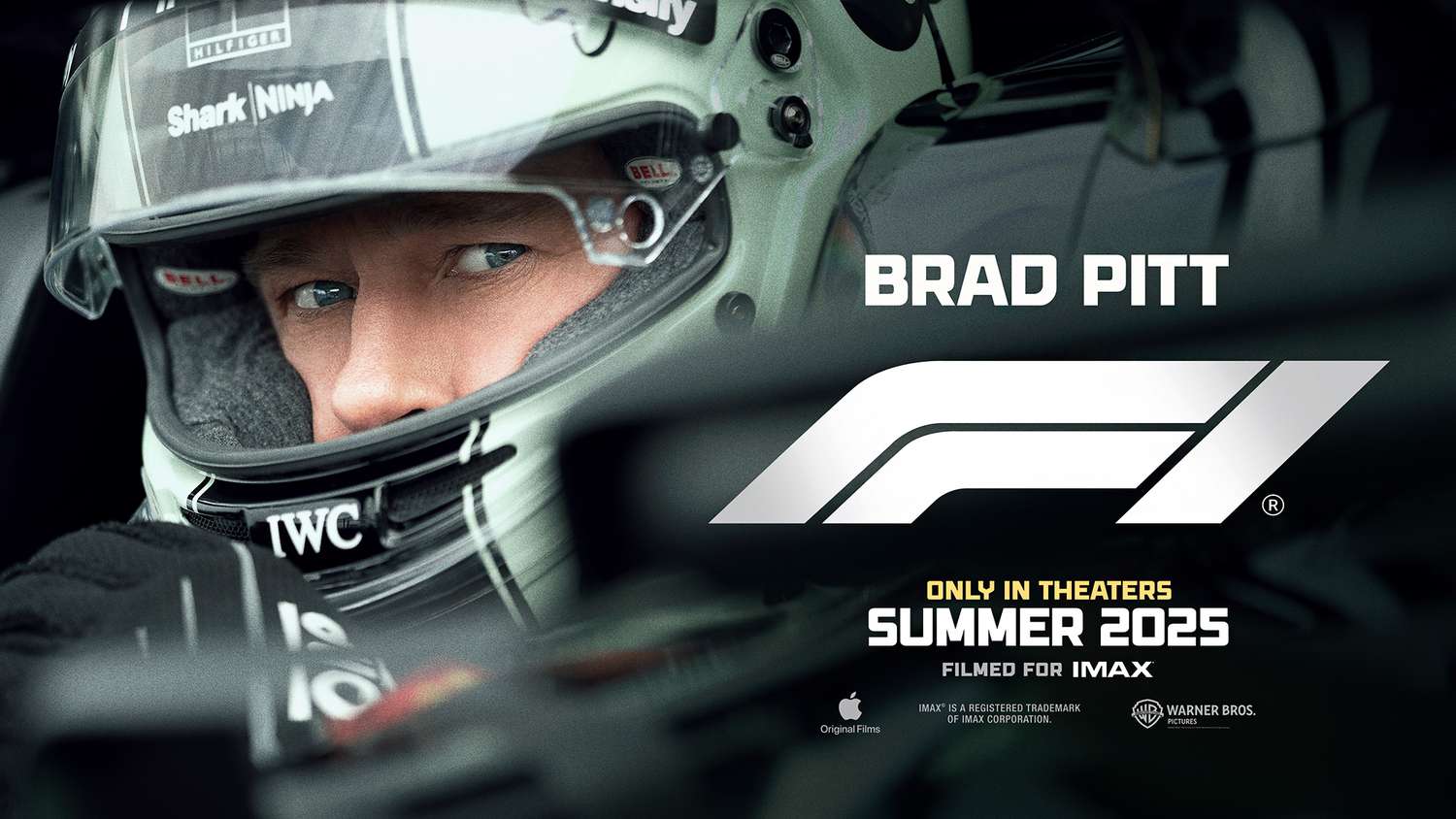
But F1 insiders believe the valuation floor has been significantly raised, given that Cadillac will pay over $1 billion (including startup costs and a $450 million anti-dilution fee) to join as the 11th team next season. Some are cautiously optimistic that a team with an American brand could help cultivate a U.S. fan base, which has already grown thanks to Netflix's 'Drive to Survive' documentary series and the 2025 Brad Pitt-starring feature film.
Other countries around the world could also boost commercial development, not only through media rights deals but also by paying higher hosting fees for the right to hold races. For example, reports indicate that Jeddah commits $55 million annually to host the Saudi Arabian Grand Prix—more than double the hosting fees for some European races.
However, F1's biggest advantage may be its scarcity. With Cadillac joining, the grid will have just 11 teams, and there are still plenty of investors eager to enter the space. 'I think trying to analyze this with overly complex financial analysis is a mistake,' one F1 investor said. 'When market dynamics are like this, all conventional analysis goes out the window.'
Of course, the profitability of top teams like Mercedes and McLaren is also a key support.
Another insider said: 'For F1, these assets used to be like some baseball teams, losing huge sums every year. Now, if you compare the averages of MLB, NBA, NHL, and NFL, the closest is the NFL. So now, top F1 teams have become structurally profitable assets. That's incredible.'
|Source: Forbes
|Image sources: Team official websites, official social media accounts