Six Chinese Exoskeleton Companies Debut at CES 2026: Shenzhen Kenqi, Shanghai Hypershell, Shanghai ULS Robotics, Hangzhou Cheng Tian, Beijing Dnsys, Suzhou Maibo
At the just-concluded 2026 CES (International Consumer Electronics Show) in Las Vegas, exoskeletons became a hot topic. Orange Bay Sports research found that six Chinese exoskeleton companies debuted at the show: Shenzhen Kenqi, Shanghai Hypershell, Shanghai ULS Robotics, Hangzhou Cheng Tian, Beijing Dnsys, and Suzhou Maibo.
1. Shenzhen Kenqi Technology
π6 is developed by Kenqi Technology, founded in 2015 and headquartered in Shenzhen, focusing on R&D and manufacturing of AI exoskeleton robots. Founder Yu Yunbo, after graduating from Huazhong University of Science and Technology with a master's degree, worked in communication R&D.
The founder once stated that during the 2025 "May Day" holiday, the product was deployed in multiple scenic spots such as Mount Huangshan and Mount Emei, driving sales growth from millions to tens of millions. In July, the company completed its first round of financing, with investor Shenzhen Nanshan Strategic Emerging Industry Investment Co., Ltd.
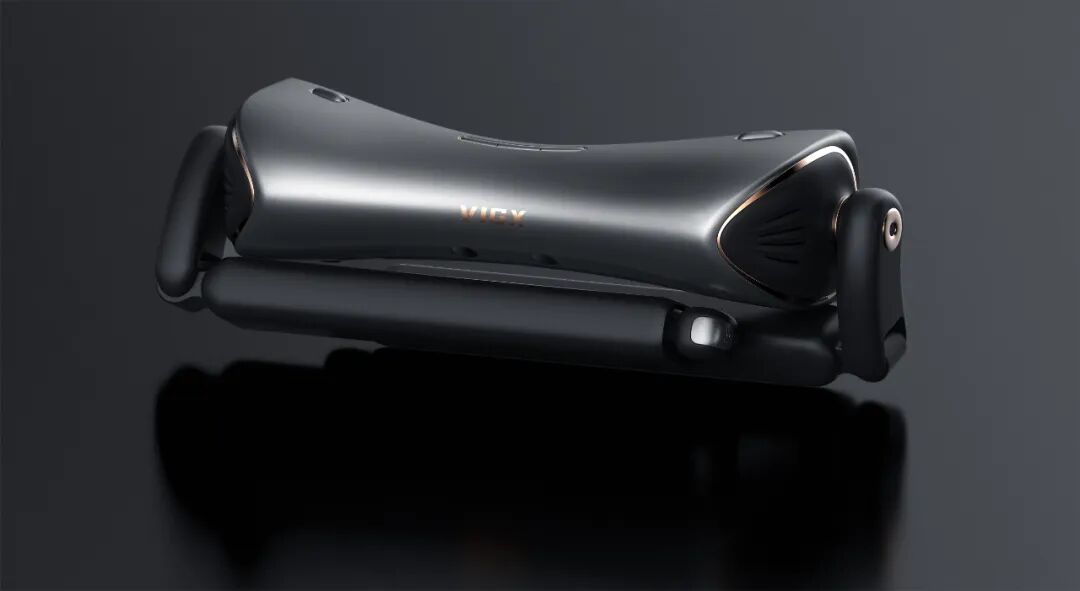
Its latest product π6 is called the "first exoskeleton robot that fits in a pocket," weighing only 1.8kg, folding to the size of a compact umbrella, yet delivering 600W peak power (about 1/10 of a car). It is easy to operate, can be worn in seconds, and suits various scenarios from commuting, daily shopping, outdoor exploration, to other work requiring prolonged standing and elderly life seeking independent mobility. The domestic official price for the π series ranges from 6980 to 8280 RMB.

2. Shanghai Hypershell Technology
Hypershell X Ultra is developed by Shanghai Hypershell Technology. Founded at the end of 2021, founder Sun Kuan has ten years of experience in robot hardware management and exoskeleton academic research, and previously founded a hardware brand overseas. The founding team mainly comes from DJI, Nothing, Xiaomi, and leading humanoid robot companies globally.
Previously, the company completed $70 million in Pre-B and B rounds, with investors including IDG Capital, Sequoia China, and Oasis Capital, achieving a post-investment valuation of nearly $400 million.

Hypershell has R&D centers in Shanghai and Shenzhen, with products sold in over 70 countries and tens of thousands of units shipped. In China, it is mainly sold through offline channels like Drivepro.
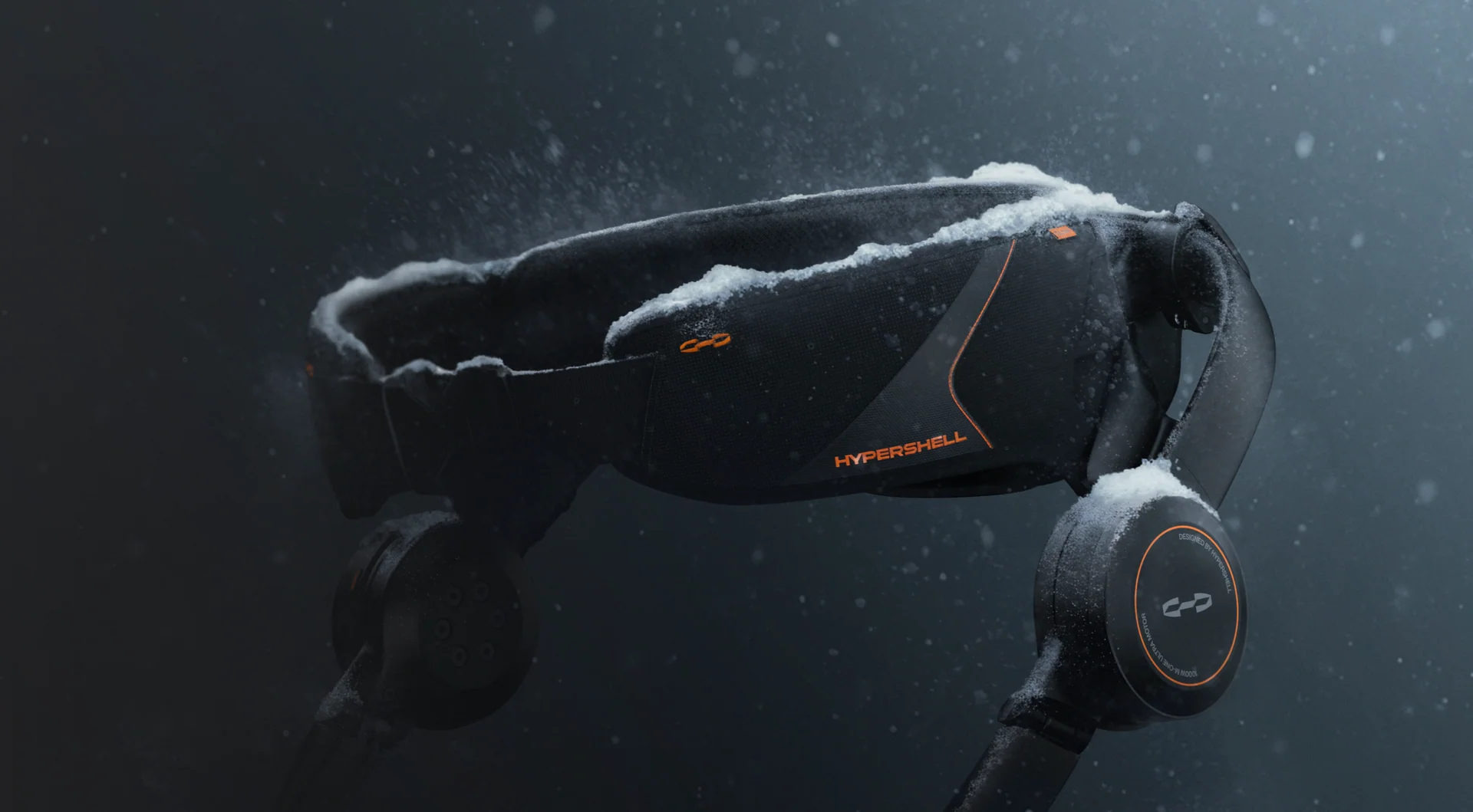
Hypershell X Ultra features the intelligent algorithm engine AI MotionEngine Ultra, which senses and responds to the wearer's gait in real time. Over time, it adapts more precisely to the user's body shape and gait, evolving into a personalized exoskeleton that reduces heart rate by an average of 42% and physical exertion by 39% during exercise.
Made from aerospace-grade materials, the product weighs only 1.8kg and offers a battery range of 30km while walking, balancing strength, lightness, and durability. It is suitable for extreme outdoor environments like snowy mountains and deserts, as well as professional tasks such as geological exploration and outdoor construction, and daily use by the elderly. Overseas price: $1,999.
3. Shanghai ULS Robotics Technology
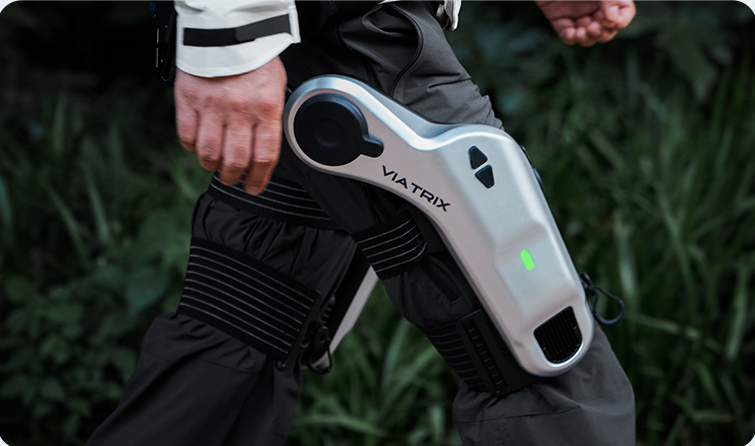
VIATRIX range-extended power exoskeleton robot is developed by Shanghai ULS Robotics Technology Co., Ltd. Founded in 2018, the company focuses on exoskeleton robot R&D and industrialization, with product lines covering upper limbs, waist, lower limbs, and full-body exoskeletons.
Company founder Xu Zhenhua graduated from Shanghai Jiao Tong University and worked as a senior R&D engineer in the robotics and automotive industries. Core team members come from prestigious universities such as Shanghai Jiao Tong University, Hong Kong Polytechnic University, and Beihang University, with over ten years of R&D experience in the exoskeleton field.
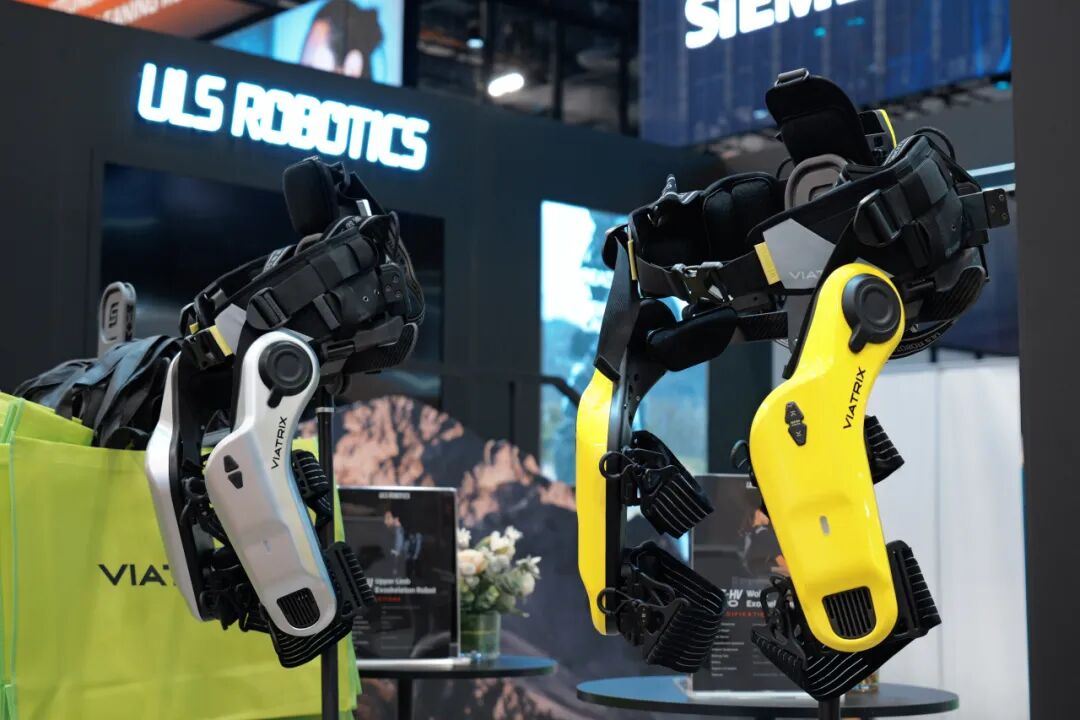
ULS Robotics has completed 5 rounds of financing, with investors including Binfu Capital, Guoyi Capital, and Dunhong Asset, among which the A+ round amounted to tens of millions of RMB. Currently, its products are used in industrial scenarios such as automotive manufacturing, aviation ground services, mining, and logistics, with sales networks in 17 countries including Germany, the US, and Southeast Asia.
The core technology of VIATRIX lies in its Float360 floating hip joint architecture that moves in real time with the human posture, easily handling various terrains like rugged trails and steep slopes. This architecture dynamically adjusts and precisely adapts to human motion trajectories, effectively avoiding the rigid pulling sensation common in traditional exoskeletons. Domestic official price: 6,799 RMB.
4. Hangzhou Cheng Tian Technology
Ascentiz is developed by Hangzhou Cheng Tian Technology Development Co., Ltd., founder Wang Tian first led a team at Harbin Engineering University in 2009, expanding from medical exoskeleton robots to the consumer market, officially founding the company in Hangzhou in 2017.
In March 2025, the company completed a nearly 100 million RMB Series B round led by Wuxi Chuangtou; in September of the same year, the company raised $2.26 million on Kickstarter.
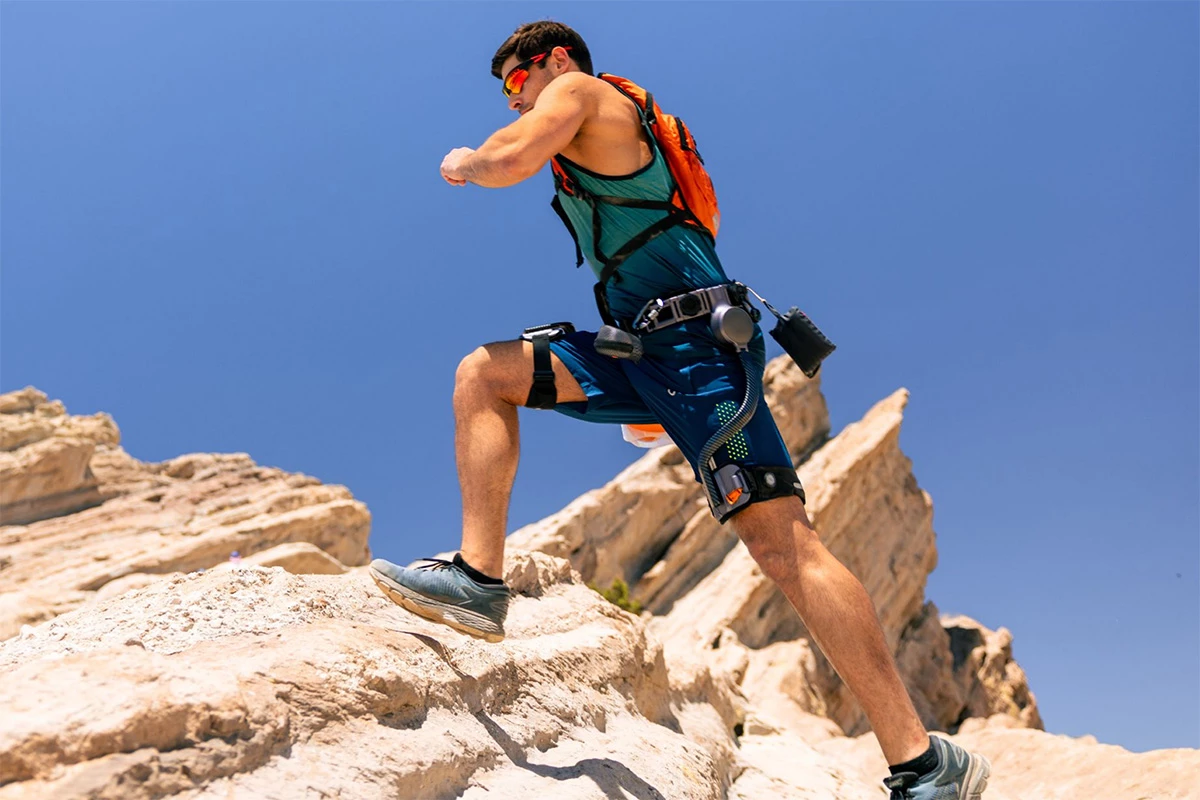
Ascentiz is touted as the "world's first modular exoskeleton," weighing only 1.75kg, foldable to A4 paper size, easy to carry in a bag. Overseas price: $699 to $1,848.
The product consists of independent joint modules and a connection belt system, allowing users to flexibly select knee or hip joint modules based on task scenarios (hiking, carrying, daily assistance). It also features an AI adaptive motion system that predicts user intent and adjusts assistance levels accordingly, continuously learning and optimizing based on the user's gait pattern, terrain changes, and activity intensity.
5. Beijing Dnsys Innovation Technology
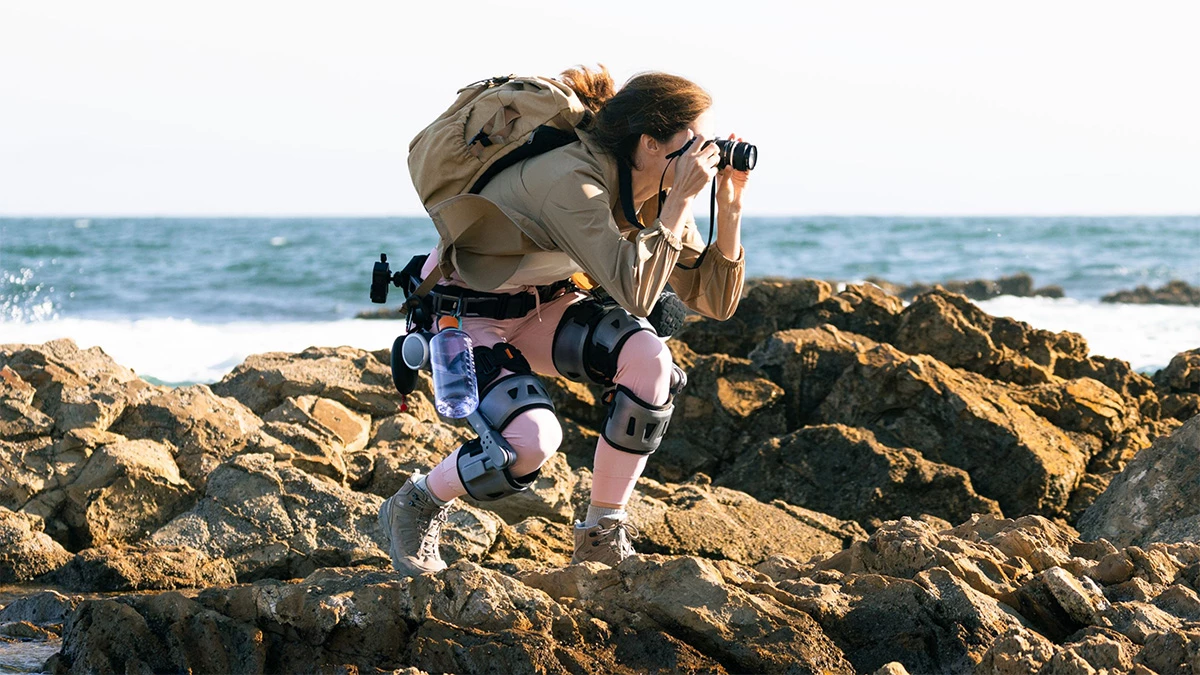
Dnsys Z1 is a smart wearable device launched by Beijing Dnsys Innovation Technology Development Co., Ltd. Founded in 2020 by robotics experts from DJI, Segway, and Xiaomi, the company's product line has expanded from rehabilitation to sports and daily assistance. Previously, Dnsys Z1 raised $2.46 million on Kickstarter.
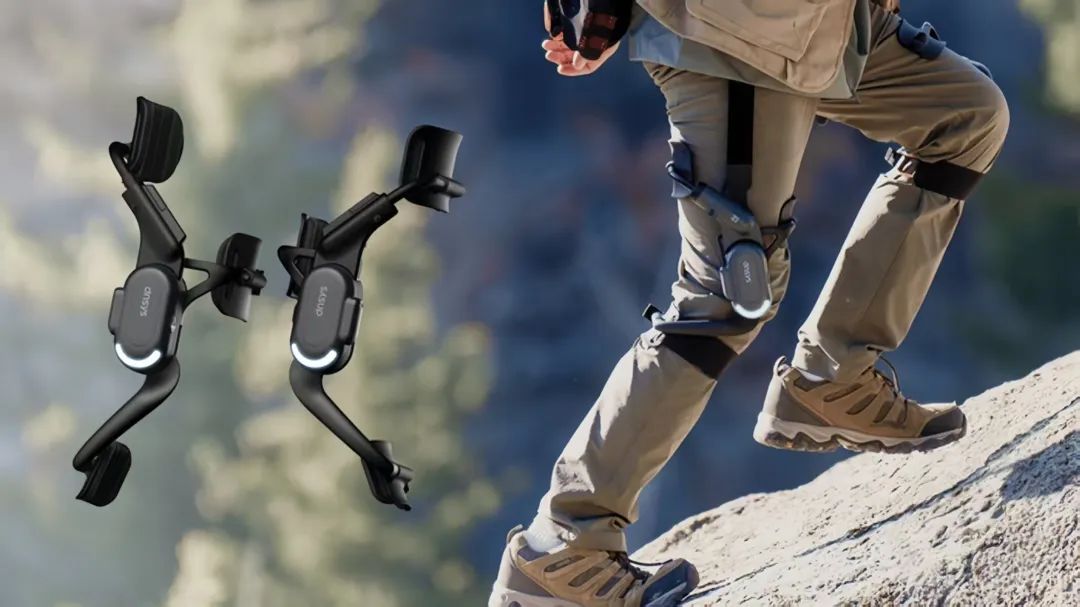
Dnsys Z1 is designed for knee support, featuring the DNNAS neural network algorithm. Trained on 1,500 hours of real-world data, it makes real-time millisecond-level adjustments based on the user's gait, terrain, and fatigue level. The lightweight and ergonomic design ensures all-day comfort.
The device is equipped with a self-developed DNA-1 motor delivering 1.2 horsepower, enhancing walking and climbing strength by up to 50% and reducing knee load equivalent to twice body weight (about 150 kg). It provides up to 20 kg of lifting assistance when standing or climbing stairs, suitable for skiing, cycling, load-bearing walking, and sports training. Overseas crowdfunding price: $949.
6. Suzhou Maibo Intelligent Technology
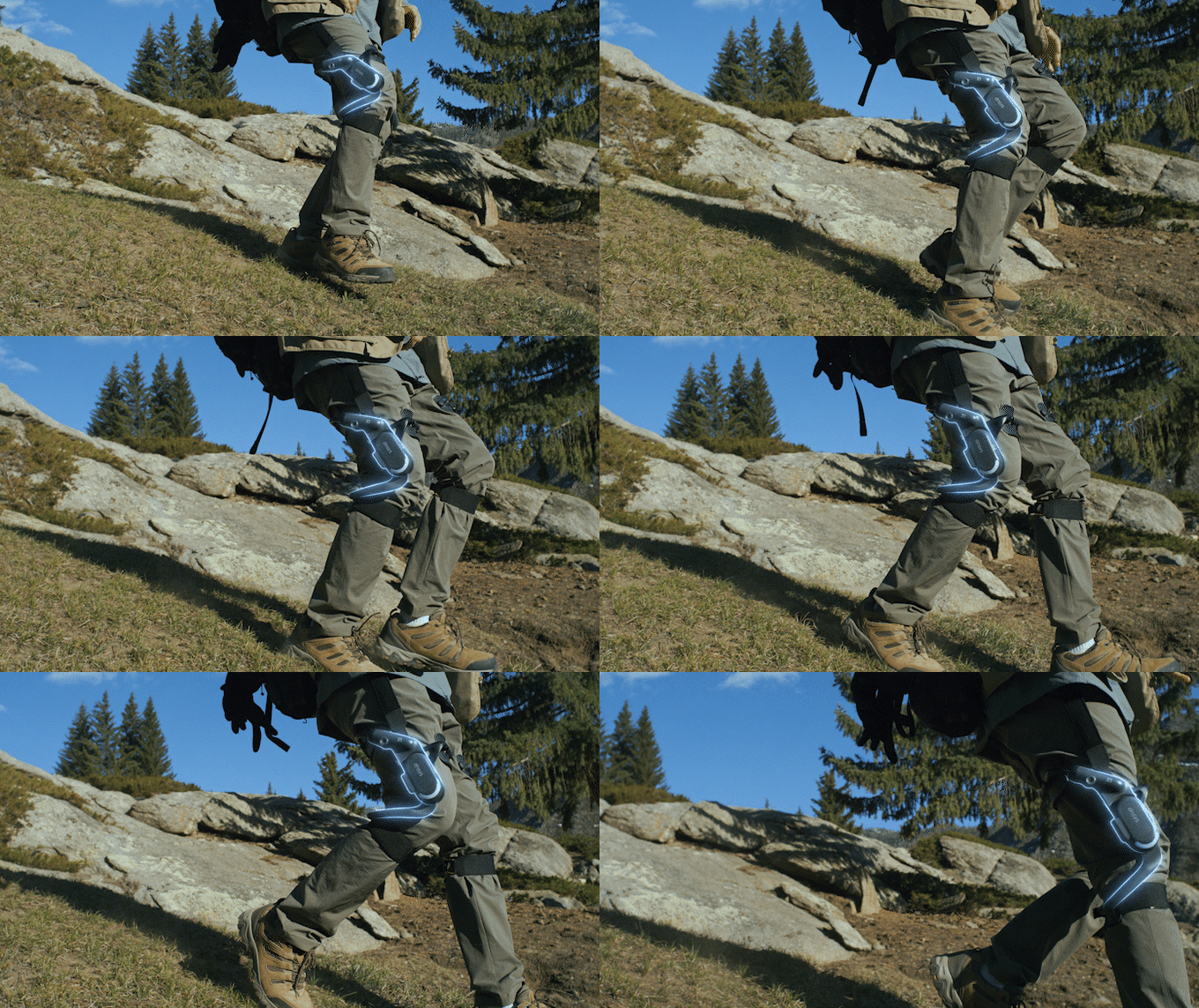
Tandeng Xtand is developed by Maibo Intelligent Technology (Suzhou) Co., Ltd., founded in 2018, focusing on exoskeleton robots, intelligent sports protection, and human-machine integration technology.
The company's founder and CEO comes from Harbin Engineering University. The company has received tens of millions of RMB in investment from Shenqi Capital, Suodao Investment, and Suzhou High-speed Rail Xincheng.
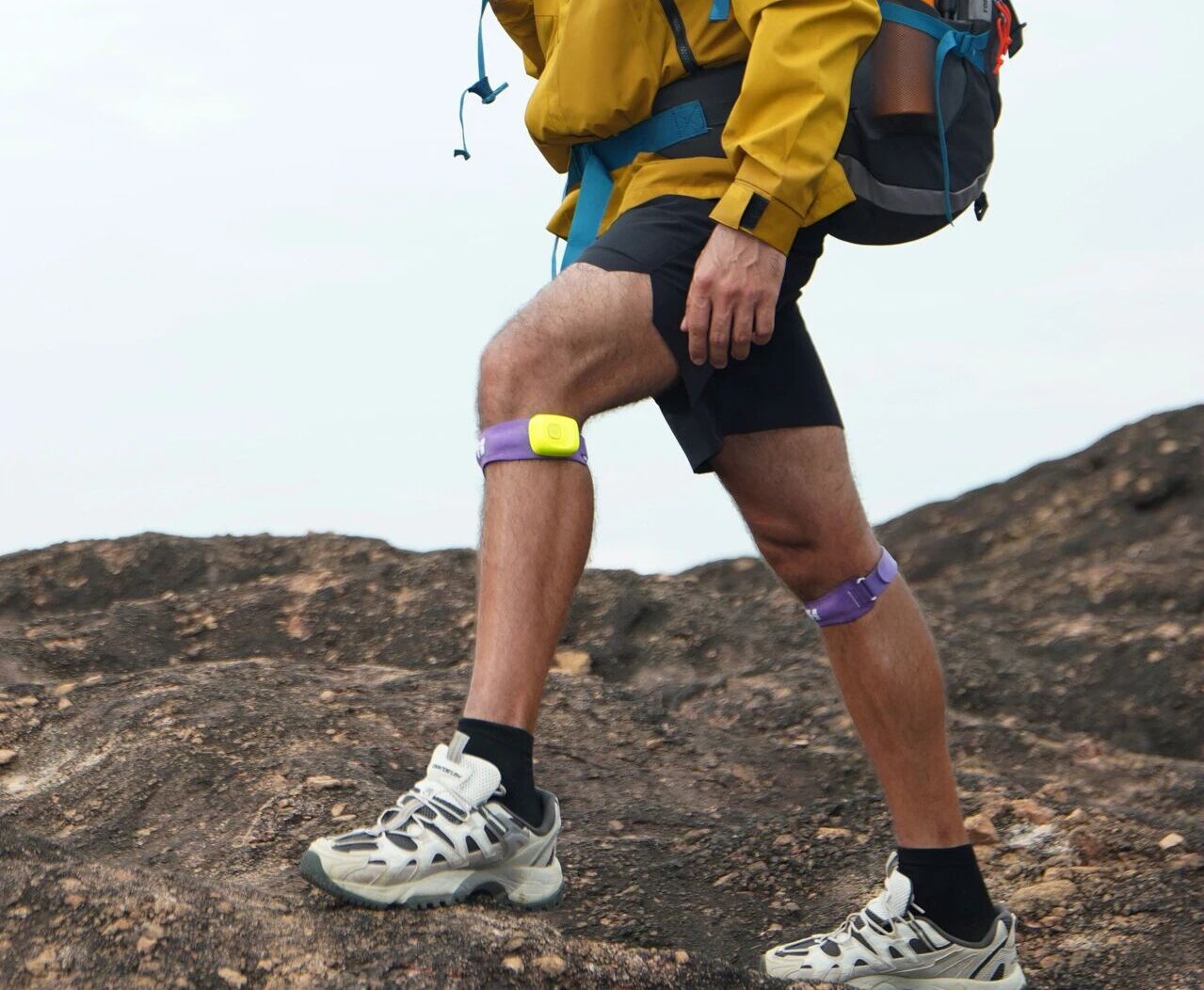
Tandeng builds a coherent system spanning protection and performance enhancement, including smart patellar bands and exoskeleton series, breaking through the limitations of traditional single-point solutions.
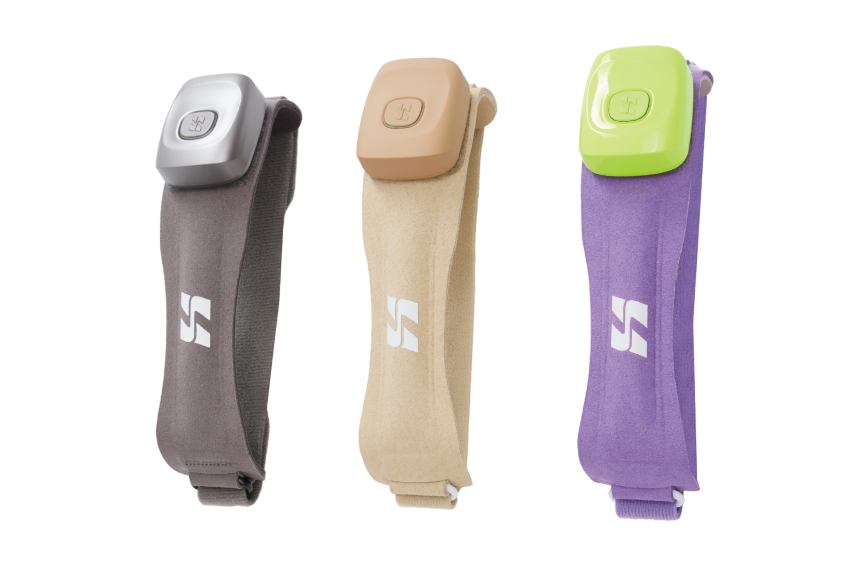
The smart patellar band features AI-driven sensors that monitor knee joint movement in real time and provide 0-50kPa adaptive air pressure support. Weighing only 57 grams, it is virtually unnoticeable and offers 8 hours of battery life, suitable for all-day use. Domestic official price: 279 RMB.
The exoskeleton series includes knee and hip assist exoskeletons. The knee version weighs under 1.8 kg, with a 500W motor and adaptive algorithm, supporting walking, hiking, and stair climbing with 4 hours of battery life. The hip version weighs under 2.0 kg, offering three modes: elderly mobility assistance, sports power enhancement, and fat-burning training. The battery is quickly replaceable, and wearing takes less than 15 seconds.
| Image source: Official WeChat account