The $32 Million 'Player Services Fee' at Indian Wells: Where Does the Money Go?
The recently concluded Indian Wells Open has been named the "Best Tournament in the World" by ATP and WTA for ten consecutive years, earning rave reviews from tennis stars—many top players openly express their love for this "tennis paradise."
The tournament's ultimate experience directly stems from its massive investment in funding and manpower. According to Forbes, Indian Wells has a dedicated expenditure of $32 million, all used to serve players.

Above: Alcaraz and Djokovic on the practice lawn
Every participating player receives a range of benefits, while "star players" enjoy even higher-level treatment—such as renting a luxury mansion as their "temporary home" during the tournament.
"Star players" definitely include the defending champions and the current world number one male and female players, while the remaining players are decided by the tournament organizing committee. Indian Wells is the first tournament globally to offer such services. Although other events have tried to emulate it, Indian Wells holds a unique advantage due to its abundant nearby accommodation options.
This year, Sinner arrived in Indian Wells a week before the tournament to prepare, thus missing the Milan fashion show of the luxury brand GUCCI he endorses. His residence was an estate with a tennis court. In his post-championship interview, he specifically mentioned how early preparation and adapting to the court helped his game.

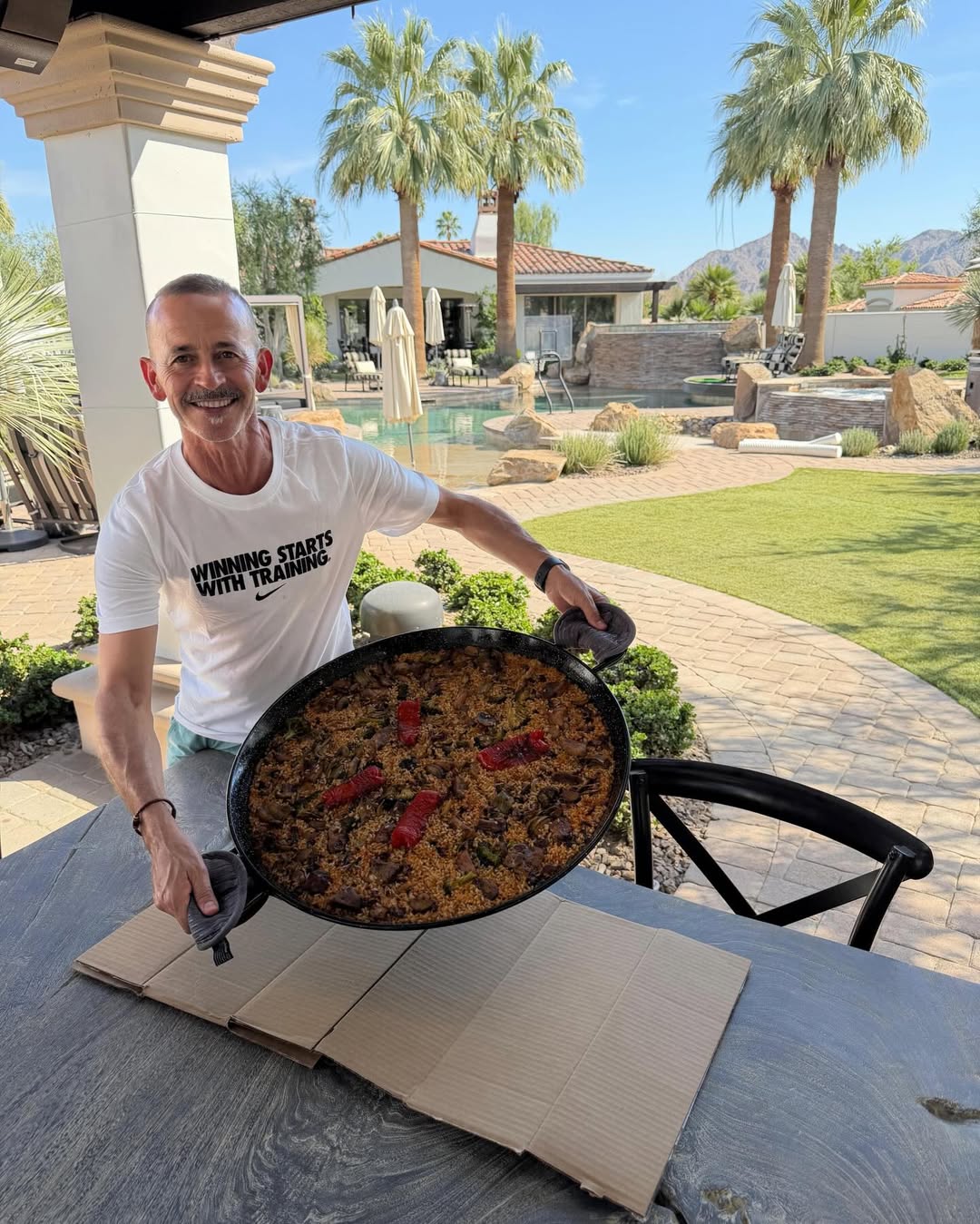
Alcaraz's residence was located within a private golf course and featured five bedrooms. After the tournament, he shared on social media the results of his team cooking Spanish cuisine in this temporary mansion, as well as a group photo playing golf with Djokovic, Zverev, and others.

Nature-loving Swiatek stayed in a mountain mansion. She once said: "Top players and past champions have the opportunity to stay in these beautiful villas, like the hilltop villa with stunning views. This is one of the few tournaments that can do this, and I really appreciate it. We spend a long time here, so having a homey feeling is always great. It means a lot to me."
Notably, the properties of Alcaraz and Swiatek are not available for rent, but the owners allow participating athletes to use them.
Player Services Director Linda Chaney (pictured below), with 42 years of experience, said: "You can give a lot of gifts, but we focus more on making them feel at home. We study their preferences, explore their passions, and based on that, ensure they get what they like. I lose sleep over this; players mean so much to us. We want them to feel like they're returning to a warm home when they come to Indian Wells. We work behind the scenes so they can fully focus on their game."

Chaney recalled that Federer used to stay in a house with 16 bedrooms. Since his entire family traveled with him, he "made full use of every inch of space."
For the player services team, the focus is not just on selecting the right house, but more importantly, making it comfortable and welcoming.
The team studies players' interests and wishes, even swapping decorations to create personalized spaces, such as photos of the player, their family (or pets). The player's residence is filled with exquisite gifts, with surprises hidden in almost every corner, all related to the player's personal interests.
The player services team selects beverages, meals, snacks, pool toys, leisure toys, etc., based on the player's preferences—sometimes the player's own, sometimes their family's. For example, before Swiatek signed a sponsorship with LEGO, Indian Wells had already placed LEGO bricks in her residence.
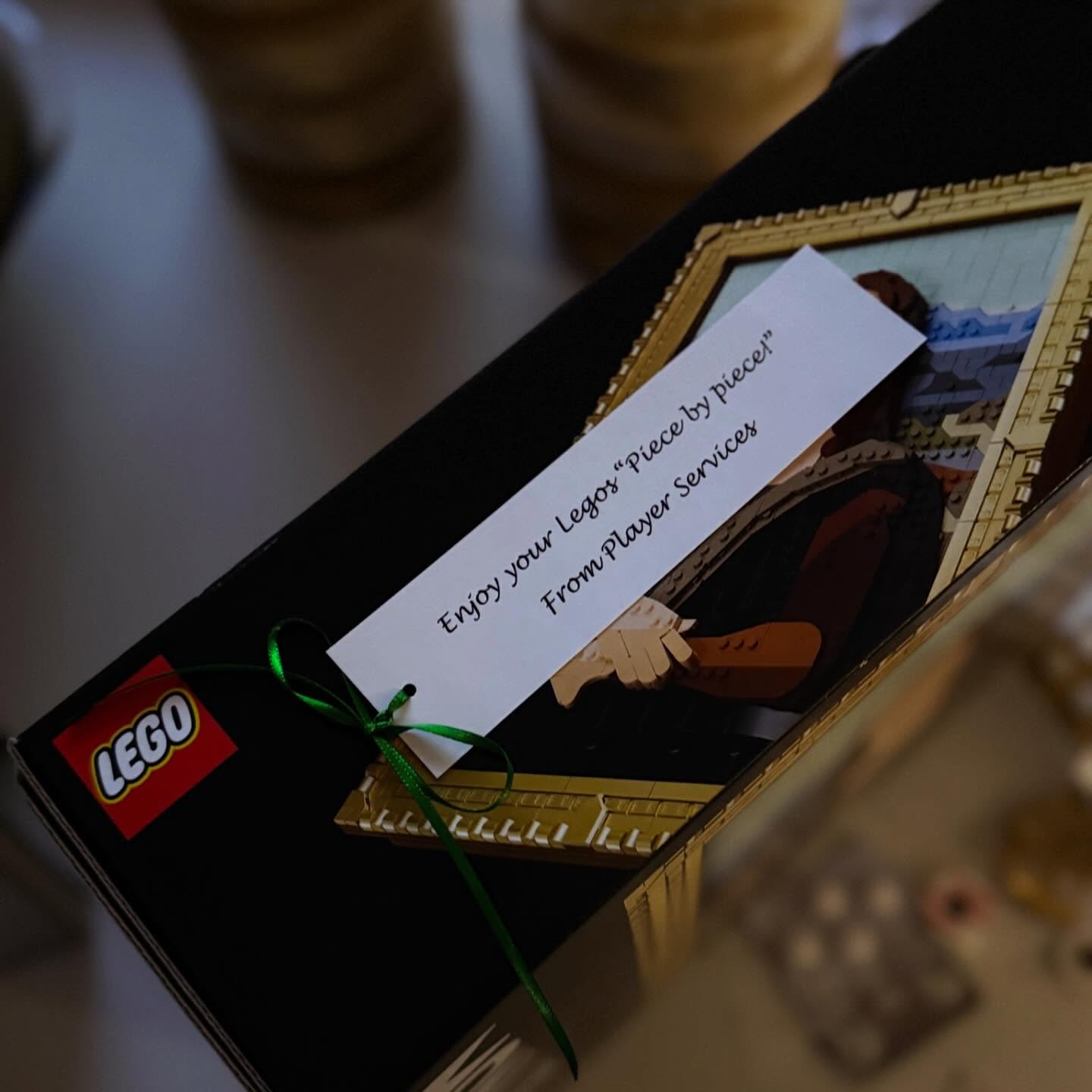
Above: During this year's Indian Wells Open, Swiatek shared the "LEGO" in her room on social media
Chaney's team researched every player's preferences for colors, brands, and even details down to the "granularity" of toothpaste.
She stated that although only top players enjoy the special benefit of luxury mansions, the team treats every participating player equally. Each player receives a $500 gift card for Nobu restaurant, a significant increase from last year's $150—allowing players to bring their team along. For instance, after defeating 7th seed Fritz this year, American player Michelsen dined at Nobu.

The player services team can help players rent cars, arrange private tours or family excursions (e.g., hot air balloon rides or red jeep tours), connect with doctors and dentists, barbers, laundry services, and even pick up dog food—essentially covering everything.
Among these, one of the most popular services is booking tee times at nearby renowned golf courses. Alcaraz even mentioned that many tennis players are golf enthusiasts, so this place is not only a tennis paradise but also a golf paradise.

In terms of dining, the restaurant offers a variety of options, from smoothie bars, fresh salad bars, made-to-order pasta, salad bowls, sandwiches, daily specials, to outdoor barbecues. Additionally, there are Nobu takeaway options—last year alone, players consumed 40,000 sushi rolls from Nobu. The tournament also used over 1,300 pounds of pasta, nearly 4,000 eggs for omelets, and 6,100 fresh juices and smoothies.
Catering Director Shawn O'Keeffe said: "Athletes need to train, recover, and compete around the clock during longer schedules, requiring a round-the-clock, performance-oriented dining model rather than traditional pre- and post-match services."
In terms of practice, Indian Wells has its own proprietary software to manage the intensive three-week training schedule across 29 courts (9 match courts and 20 practice courts). Players typically train twice a day.
Player Operations Manager Lisa Kempton said the team needs to optimize and balance various demands: "It's like playing Tetris, moving blocks to meet players' training needs." The core of everything is to make players feel relaxed and at ease.
| Source: Forbes
| Image Credits: Players' personal social media accounts; Indian Wells Open