2026 French Open Revenue to Exceed €400 Million, Generating €300 Million in Economic Benefits for Paris
The 2026 French Open is in full swing. This year, both the men's and women's singles have seen major upsets, with top contenders like Sinner, Djokovic, Swiatek, and Gauff already eliminated, ensuring new faces in the singles finals.
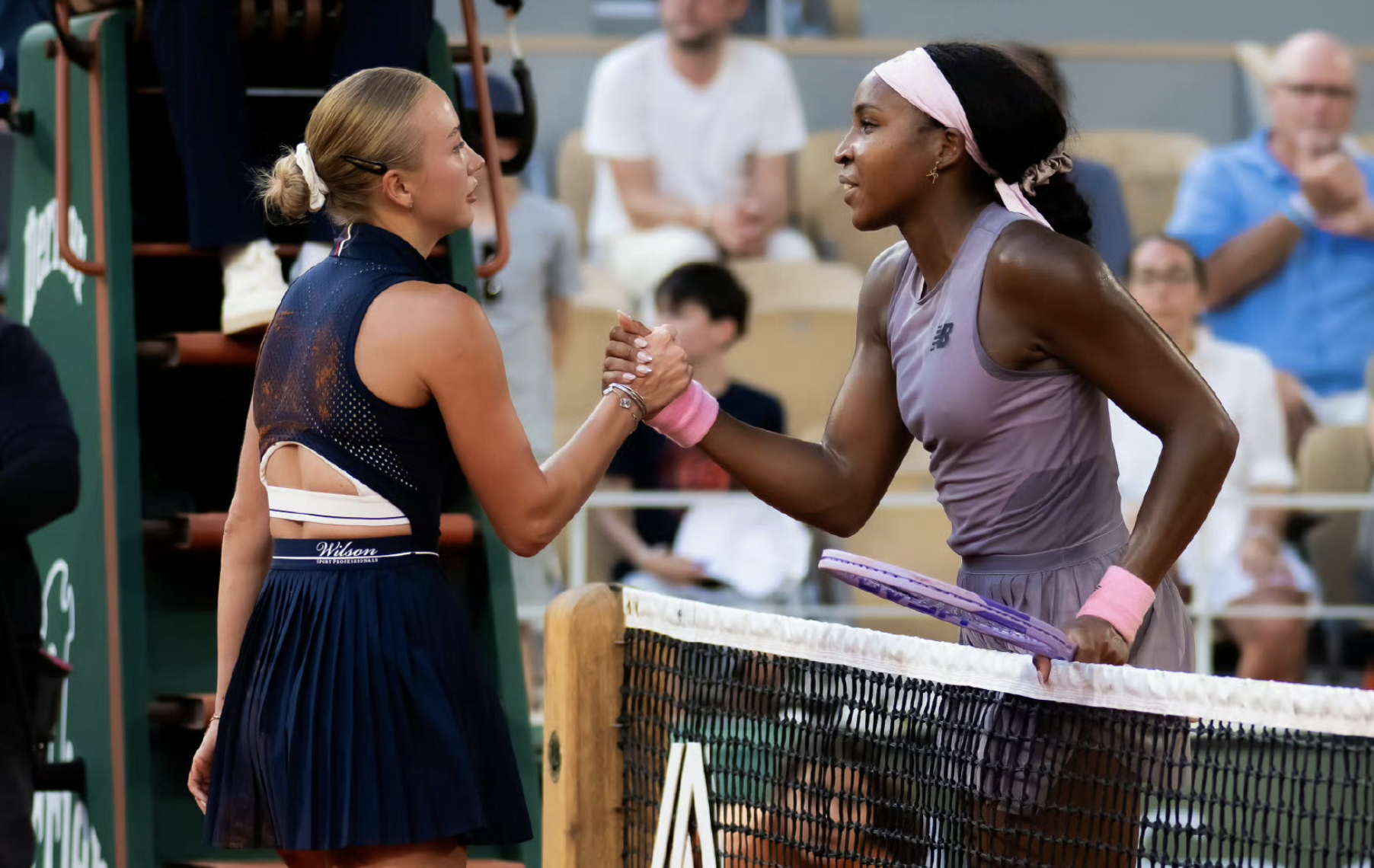
Above: Potapova defeats defending champion Gauff; the two shake hands after the match
According to official data released by the French Open, during the opening week of this year's tournament (May 18–23), a total of 138,000 spectators attended, setting a new record. A tournament official stated: "It is estimated that this year's tournament revenue will exceed €400 million."
Since 2022, the French Open's revenue has steadily increased year by year:
- 2022: €308 million, with approximately 610,000 attendees;
- 2023: €328 million, with approximately 630,000 attendees;
- 2024: €338 million, with approximately 675,000 attendees;
- 2025: €395 million, with an estimated attendance exceeding 700,000.
The French Open's event revenue consists of the following components: 40% from TV rights, tickets and VIP hospitality account for about one-third, merchandising just under 10%, and 22 sponsors (varying by partnership level and exposure) contribute the remaining 20%. The main sponsor is BNP Paribas, estimated to pay around €17 million annually, while premium sponsors include Emirates, Lacoste, Renault, and Rolex, each paying around €10 million per year.
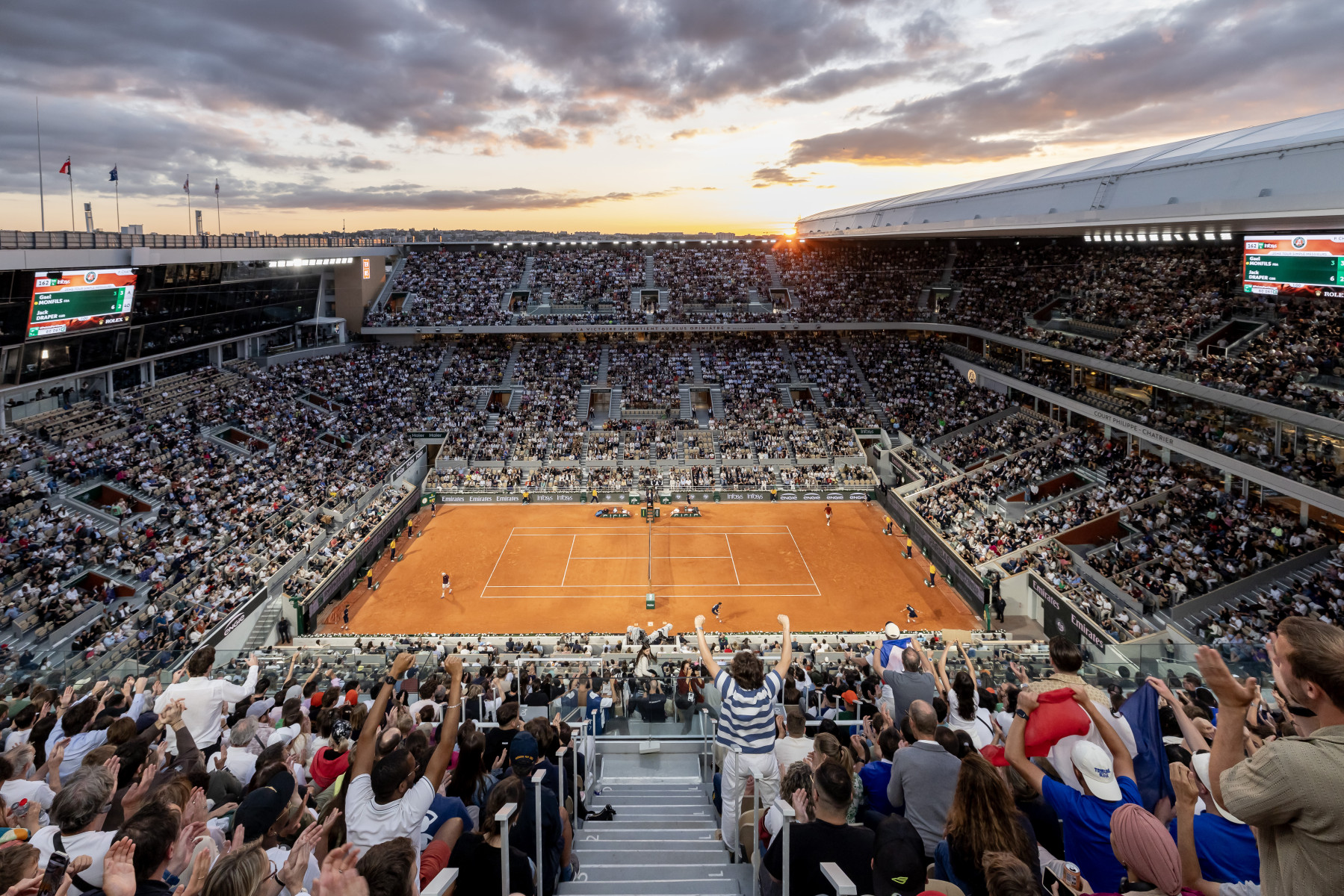
Comparatively, the French Open's revenue still lags behind the other three Grand Slams: the 2025 US Open generated approximately $650–700 million; the 2025 Wimbledon generated about $500 million; and while the Australian Open has not disclosed revenue, the 2026 tournament attracted 1.37 million attendees, a record for all four Grand Slams.
Unlike the Australian Open and US Open, the French Open's stadium has limited space and is difficult to expand. Therefore, the French Tennis Federation (FFT) has adopted a high-density model, designing every space as a source of profit.
This year, the FFT created an area called "Jardin des Chefs" behind the Simonne Mathieu court, where 12 chefs from high-end restaurants take turns preparing cuisine over the two-week period. This not only enhances the spectator experience but also significantly increases catering revenue, which has become a strategic pillar for the French Open.

Above: Cuisine prepared at the "Jardin des Chefs"
A study by the FFT shows that the French Open contributes up to €300 million to the Paris economy, including spending by foreign tourists, technical teams, and media from around the world.
In terms of viewership, the French Open attracts millions of television viewers from over 220 countries and regions each year, and many fans from France and abroad travel to attend in person. Data from booking platform Opodo shows that flights to Paris increased by 17% during the 2023 French Open.
Regarding corporate partnerships, the FFT has developed a segmented sponsorship program that attracts international marketing budgets while maintaining a distinct French identity. In addition to 22 long-term sponsors, the tournament also showcases technology companies specializing in image capture, sports data, ticketing, and security. Many solutions tested at the French Open are later applied to other sports or promoted to international markets.
In terms of broadcasting, the French Open is increasingly producing content for social media, establishing partnerships with digital platforms, and collaborating with overseas media. To date, the cumulative viewing time for the French Open is approximately 2 billion hours, ranking it among the highest-rated sports events globally. While it falls short of some major football events, it still far exceeds other international sports competitions.
| Sources: Washington Times, European Times, sport.newstank, Il Sole 24 Ore, lenouveleconomiste, lequipe
| Image credits: French Open official website; Emirates official website