Smart Ring ŌURA, Valued at $11 Billion, Becomes US Open's First Wearable Health Device Partner
On April 30, smart ring ŌURA and the United States Tennis Association (USTA) announced a five-year partnership:
ŌURA will become the official sponsor and wearable fitness device partner of the US Open, USTA, and USTA coaching. This is the first time USTA has partnered with a wearable device brand.
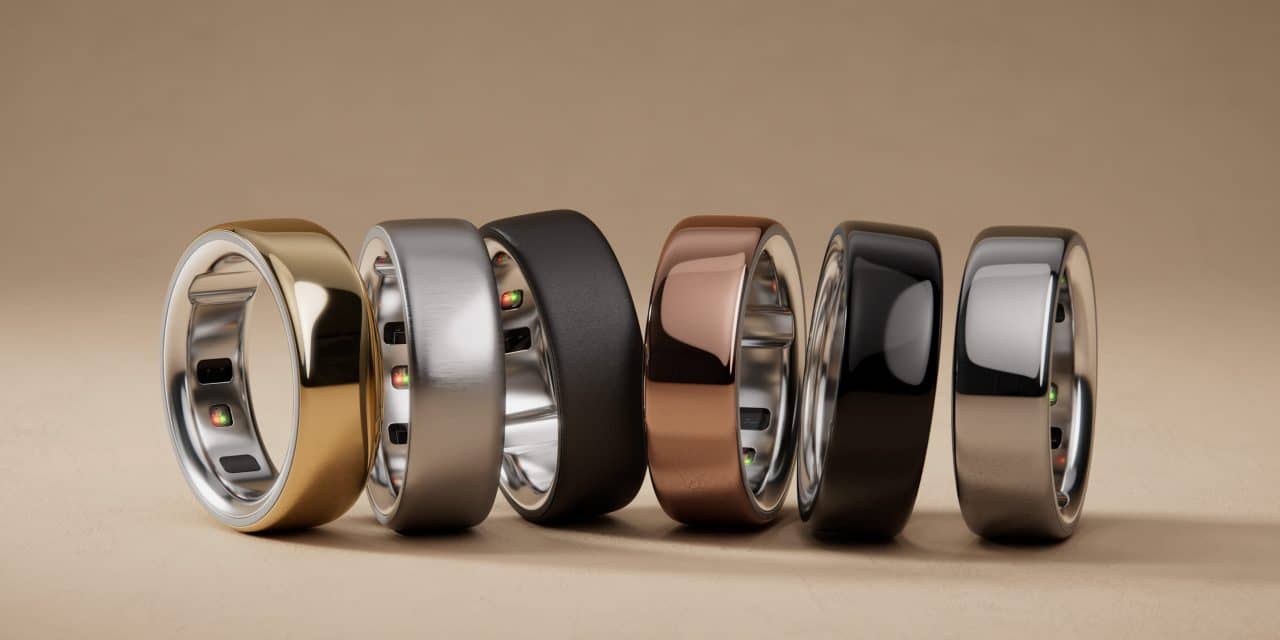
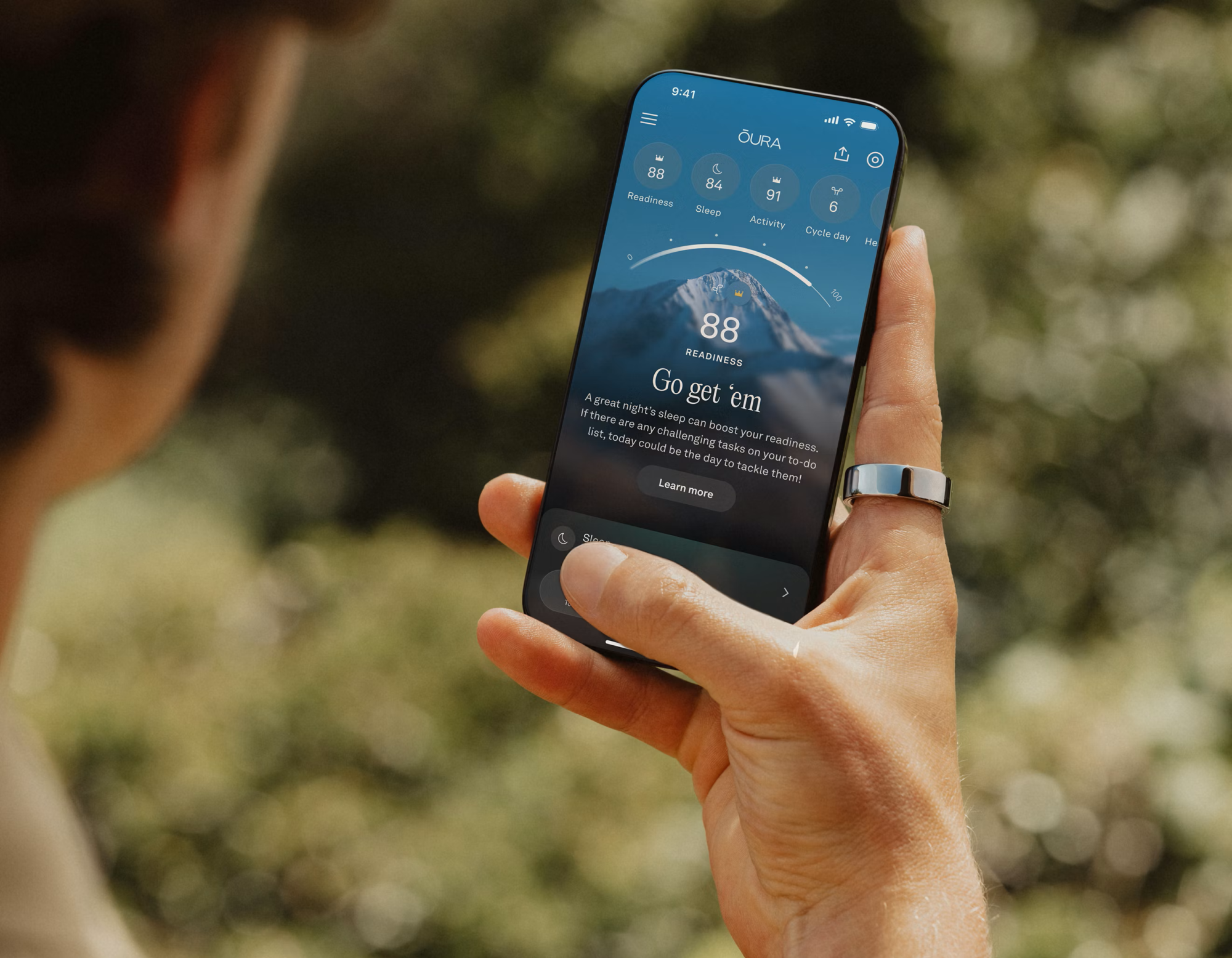
Oura Ring is a smart ring that monitors users' personal health data and provides daily health recommendations, capturing data by measuring the pulse of blood flow in the finger artery. Since 2015, it has sold over 5.5 million rings, with a continuously expanding user base.
In October 2025, ŌURA completed a Series E funding round of over $900 million, achieving a post-money valuation of $11 billion. Since its inception, the company has raised over $1.5 billion in total funding. Notable investors include Fidelity Investments, ICONIQ Capital (an investment firm managing wealth for Silicon Valley elites), and Singapore's sovereign wealth fund Temasek.
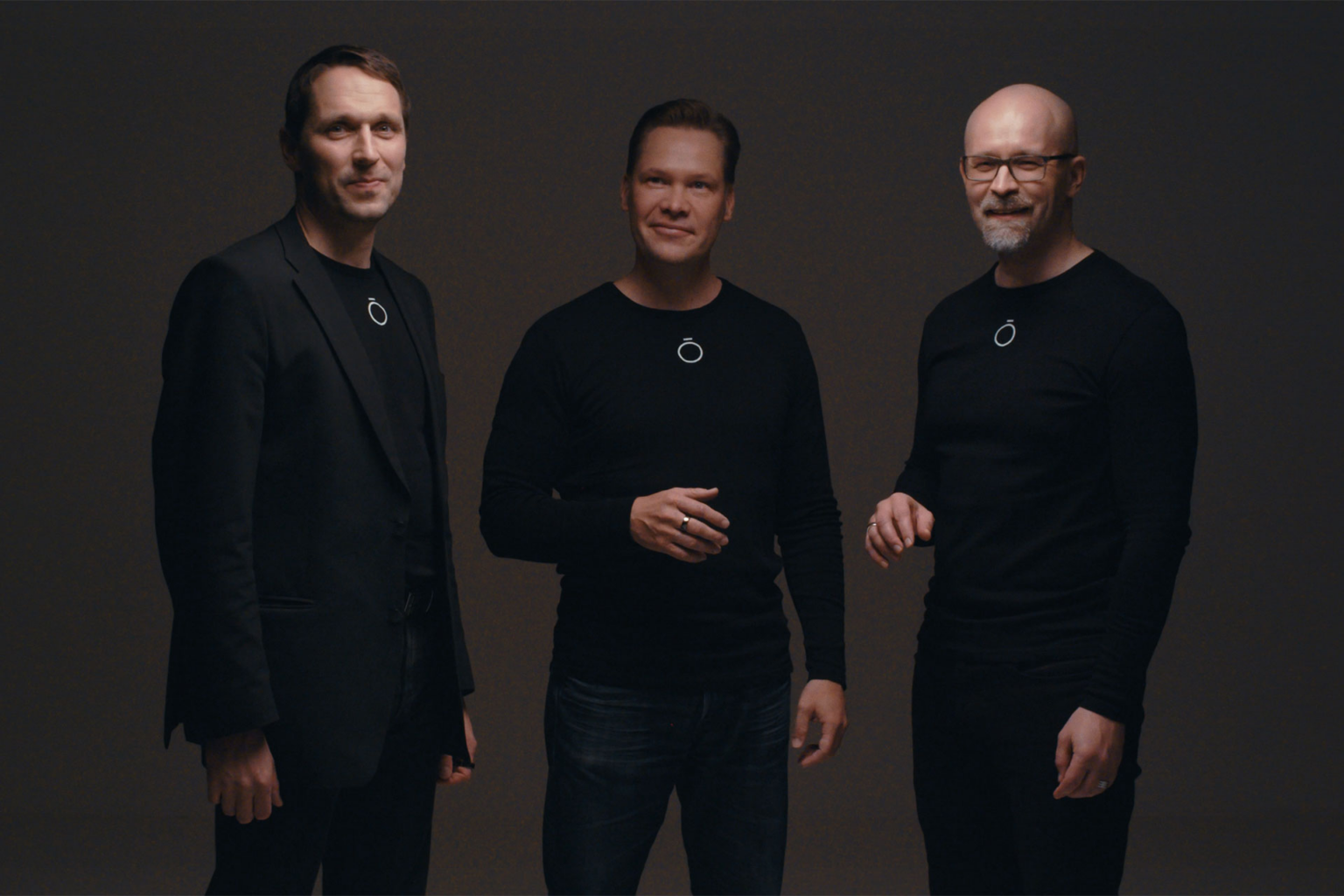
ŌURA was founded in 2013 by Petteri Lahtela, Kari Kivelä, and Markku Koskela in the Finnish city of Oulu:
Petteri Lahtela (center in the image below) has extensive experience in telecommunications, chronic disease prevention, and private healthcare, having worked at several Finnish tech companies; Kari Kivelä (left) has product and engineering experience, having worked at Finnish tech giants Nokia and Polar (a well-known heart rate monitoring brand); Markku Koskela (right) has a background in industrial design and R&D, focusing on combining technology with ergonomics.

This partnership between ŌURA and the US Open is significant.
At the start of 2026, wearable technology became a focal point when the Australian Open insisted on banning players from wearing health-related smart devices during matches. Whoop bands from stars like Alcaraz, Sabalenka, and Sinner were confiscated. Subsequently, the French Open became the first Grand Slam to allow players to wear wearable devices during matches—and now, the US Open has gone a step further by officially partnering with a wearable device manufacturer.
Just two weeks before the USTA and ŌURA reached their agreement, the US Open (and other tennis Grand Slams) confirmed that players could use wearable devices compliant with the International Tennis Federation (ITF) Player Analysis Technology (PAT) protocol. Notably, none of Oura's devices are currently on the ITF's approved list, so the device itself is not yet permitted for use in matches.
The partnership between ŌURA and USTA covers multiple aspects:
- All US Open main draw players will receive an ŌURA ring and have access to on-site fitting and recovery guidance in the player area;
- ŌURA will be integrated into USTA coaching, leagues, and membership platforms, offering sponsorship and benefits;
- The two parties will also conduct health research within the coaching system, with modules embedded in coach certification, and provide discounts and free devices for coaches;
- In 2027, ŌURA will secure naming rights for a health and recovery zone within the US Open Player Performance Center.
At the tournament venue and in global broadcasts, ŌURA will also enjoy strong brand exposure—from on-court signage at Arthur Ashe Stadium and Louis Armstrong Stadium, to prominent signs throughout the grounds, and virtual LED displays on the courts. ŌURA will also create a series of fan engagement activities, including product giveaways, sleep and recovery education, and personalized health advice.
| Source: Official press release, CNBC, Finnish website fairedih.fi
| Image credit: ŌURA official website